


Building agri-tech with farmers, not for them
Restructuring how an agri product gets defined from week one, so the farmer’s decision, not the available data, shapes the roadmap.
- Focus area
- Agriculture
- Location
- Patna, Bihar
- Year
- 2026
- Services
The challenge
Most agri-tech is built from the technology outward. A team has a sensor, a dataset or a model, and the product takes the shape of what that technology can measure rather than the decision a farmer has to make this week. The result is a steady stream of tools farmers try once and quietly stop using.
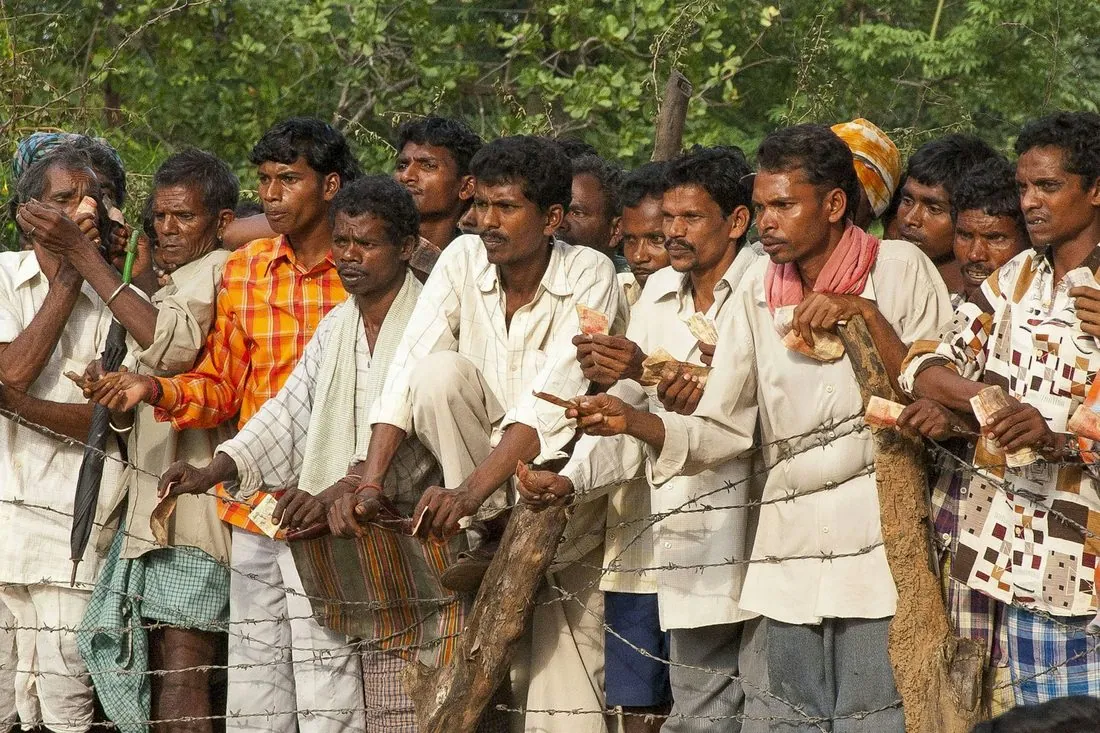
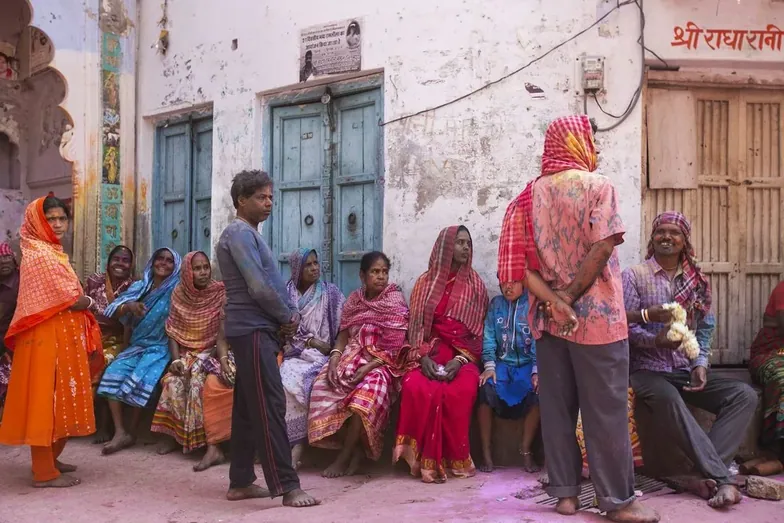
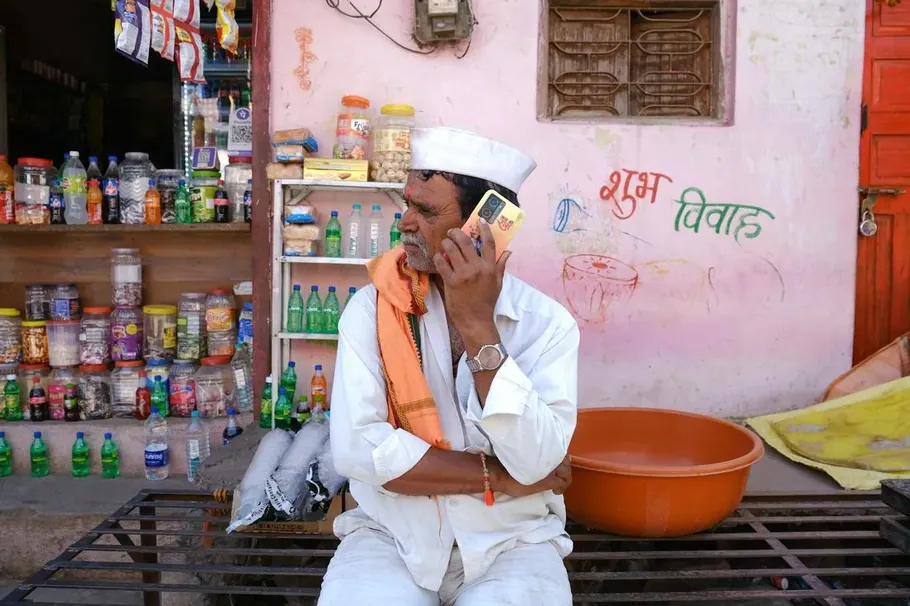
Kosi Farmers Collective works with about 3,200 smallholders around Patna, most farming under two acres, most selling through a local trader they have known for years. The collective had already tried two advisory apps. Both had good data behind them. Neither survived a season.
- Advice arrived in a language and a unit no one used at the plot. Yield in tonnes per hectare, when the conversation in the field is quintals per bigha.
- It answered questions farmers had not asked. Soil moisture percentages, when the real question was whether to irrigate before Thursday.
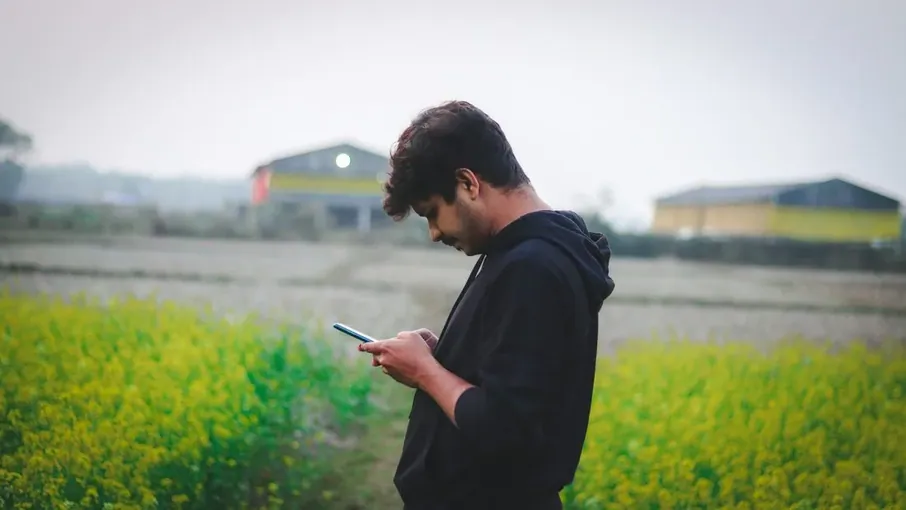
- It assumed a smartphone per farmer and a network that holds. In practice one phone serves a household, and it is often with whoever has gone to the mandi.
The collective's own staff had stopped opening the dashboards too, which told us something. When the people closest to the work do not use a tool, it is rarely a training problem.
How we worked
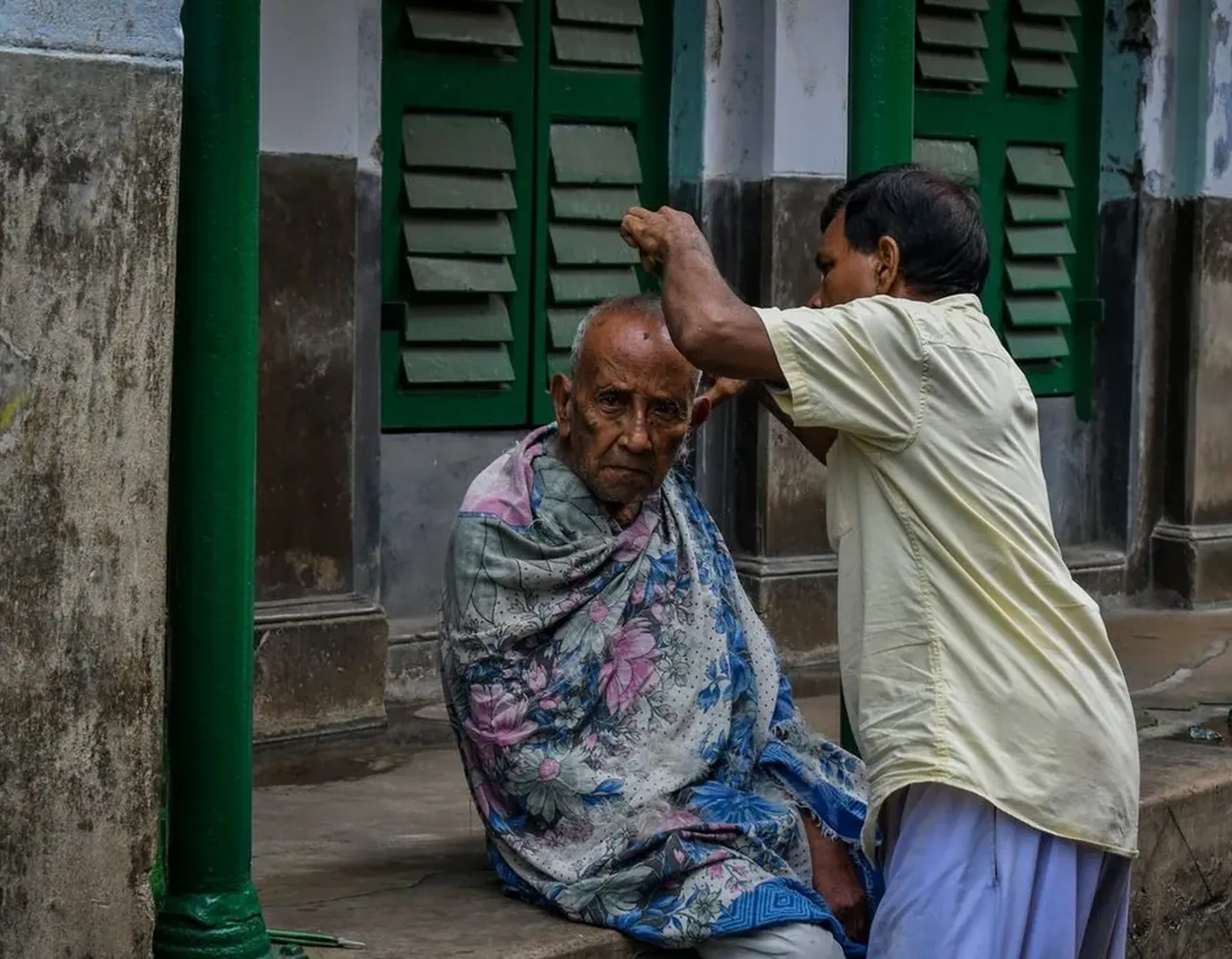
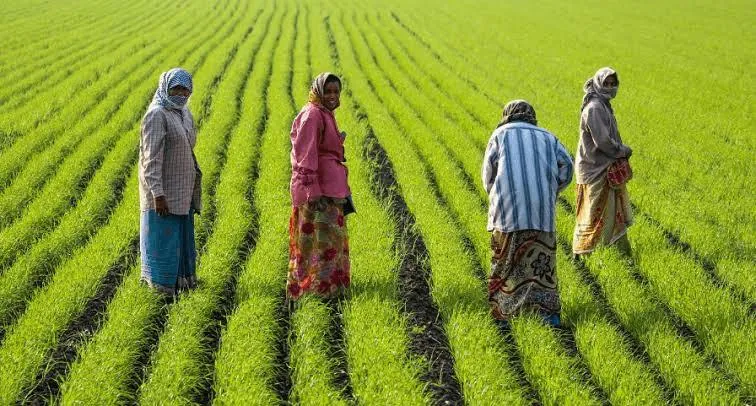
We did not start with a build. We started with 38 field visits across 11 villages over seven weeks, sitting through the decisions as they were actually made: what to sow, when to irrigate, whether to spray, when to sell, whom to sell to.
Three things came out of that which changed the product.
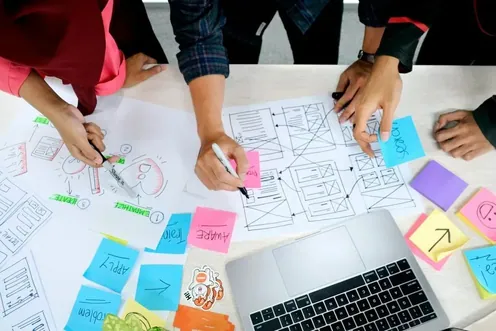
- Start with the decision, not the data. We wrote down every decision a farmer makes in a season, then asked which ones were genuinely hard and which the farmer already had a good answer for. Only seven were hard enough to be worth a product. Those seven became the roadmap. Everything the technology could measure but nobody needed to decide was left out.
- Test the language before the feature. We ran the words past farmers before we designed a screen. Local crop names, local units, local benchmarks. A recommendation that says "apply 45 kg urea per acre" is read; the same advice in kilograms per hectare is not. This is not translation. It is arithmetic in the units people actually hold in their head.
- Treat the cadre as the interface. In this geography the product does not reach the farmer directly most of the time. It reaches a community resource person who visits, and their phone is the real screen. So we designed for the person holding the phone at the edge of a field, offline, with one hand free.
We built the first working version in five weeks and put it in the hands of 14 resource persons for a season before opening it to farmers directly.
“Adoption is not the real gap. Authorship is.”
co-founder
How it works now
The product does four things, and deliberately not more.
- One record per farmer and plot. Land, crops, practices and history that follow the farmer season after season, so nobody is asked the same question twice.
- Advice timed to the crop, not the calendar. Each advisory is tied to a crop stage and goes out in the week it can still be acted on, in Hindi and in the local measure.
- Visits that close. The resource person sees who is due today, records what they found with a photo, and it syncs when they are back in range. No separate register.
- A price view before the sale. Mandi rates and buyer offers for the farmer's own commodity, so the conversation with the trader starts from a number.
What we removed matters as much. There is no chat assistant, no social feed, no scheme aggregator and no weather page with seven tabs. Each was proposed, and each was cut because it did not attach to one of the seven decisions.
What changed
After three months, 64% of enrolled farmers were active in a given week, measured as a farmer acting on or responding to an advisory, not merely opening a screen. For a category where a third of that is normal by month three, this is the number we watch.
- Seven decisions supported, against a backlog of 40 features the original scope had asked for.
- 38 field visits before the first build, which cost about six weeks at the start and saved roughly two quarters of rework.
- Advisory acted on within the week for 3 out of 5 messages, which the collective now uses as its own operating measure.
We should be honest about what we do not yet know. We have one season of data. Income effects are not in yet, and we have not run a comparison village, so we cannot separate the product's effect from the collective's own field push. The endline in the second season is designed to answer that.
What we would tell the next team
The slow part is the useful part. Six weeks of sitting in fields looks like a delay on a Gantt chart and reads as caution to a funder. It is the cheapest insurance a product of this kind can buy, because the alternative is discovering in month nine that the thing you built answers a question nobody was asking.
Adoption is not really the gap. Authorship is. When farmers and the cadre shape what gets built, the product arrives already trusted, and the first conversation is about use rather than persuasion.