














Digital Public Infrastructure
Architecture, interoperability and adoption for population-scale systems, plus the ownership that outlasts the build partner.
Programs designed with the cost per outcome right, before the budget locks.
Find out what people will actually do, before you build for what you assumed.
Purpose-built systems that work on the ground, not only on the dashboard.
Field operations that turn a plan on paper into work on the ground.
We’ll tell you what we’d do if it were our money and our team. Value per rupee becomes a design input, not an evaluation finding.
Cost-effectiveness is usually asked after the money is committed, when the answer can no longer change anything. Four mechanisms cause it.

Programs are designed, then costed. It should run the other way: once you know what one outcome costs in one district, most design choices resolve themselves.
Targets come from funding divided by a per-beneficiary cost nobody tested in that geography. The program then spends three years defending arithmetic.

If this assumption is wrong, what do we stop doing? A theory of change that cannot answer that is documentation, not strategy.

Supervision ratios, staff quality and data timeliness the ground cannot supply. The strategy is sound; the arithmetic underneath is fiction. So we stress-test every design against real field conditions.
None of these need new evidence. They need the questions asked in a different order.
See the orderSix stages, with the cost question asked at stage three rather than at the end.
Stages 03 and 05 are where most strategy work stops short.

What outcome, for whom, at what cost threshold. A program without a threshold cannot make trade-offs later, and this stage usually surfaces the disagreement the leadership team has been avoiding.
What is already known to work, what it costs, and where the evidence is thinner than the sector’s confidence in it. We separate proven, promising and assumed.

The unit economics, modelled before the strategy is fixed. Cost per outcome under different design choices, tested against real delivery costs rather than assumed ones.
The program built to meet the cost-to-outcome target: intervention logic, coverage, sequencing, partners, and a theory of change you can actually decide with.

The strategy run against terrain, seasonality, local capacity and supervision reality. We run field operations ourselves, so the numbers we test against are ours, not borrowed.

Decision logs and handover built so the strategy survives a transfer, an election or a leadership change. A strategy that lives in one champion’s head lasts about eighteen months.
Each line is what a partner actually says on a first call.
We’re designing something new and want the cost per outcome right before the budget locks.
Results have plateaued and we can’t tell whether the problem is the design or the delivery.
It worked in three districts. Should we take it to thirty, and what breaks if we do?
We collect an enormous amount of data and it changes very few decisions.
Getting the cost per outcome right before the budget locks.
We have a mandate, a budget, and a board that wants defensible outcomes per rupee.

We know we need a climate position. We don’t yet know what ours should be.
Twelve programs, one budget. Which ones grow, which hold, which stop?
We can’t do this alone, and we’re not sure who should be doing what.
Deciding what grows, what holds and what stops.
Six vendors, four departments, one deadline, and no single view of the truth.
Our leadership team doesn’t agree on what we’re trying to do, and it’s showing up downstream.
Our structure was built for the organisation we were five years ago.
Structures that carry the strategy after we leave.
A separate practice: the buyers, budgets and failure modes are different. Every recommendation is tested against what a field team can run on a five-year-old handset.
Architecture, interoperability and adoption for population-scale systems, plus the ownership that outlasts the build partner.
Process redesign, system selection and migration. Vendor-neutral: sometimes the stack is fine and the real problem is process.
Where AI genuinely helps a program, what it costs at your volume, and the governance it needs before it touches a beneficiary decision.
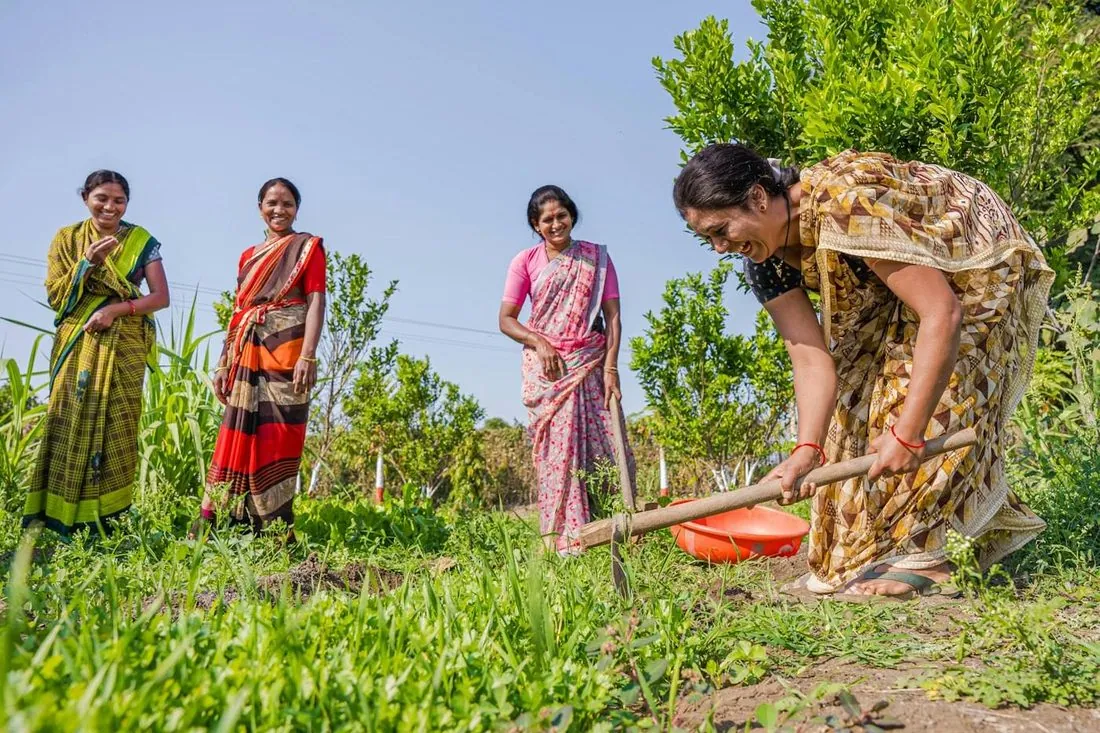
We run field operations across 60 districts. So we model change with numbers we collected, and we won’t recommend an operating model we wouldn’t run ourselves.
Strategy is bought on judgment, and judgment belongs to specific people.
Cofounder & CEO
Co-founder & CEO. Leads strategy for state and philanthropic programmes.
Co-founder. Leads technology and the platform bets behind each programme.
Director, Operations. Runs field delivery across eighteen states.
Lead, Design & Research. Takes every engagement to the ground first.
Principal, Strategy. Works on cost per outcome and programme design.
Manager, Partnerships. Builds the ecosystem around each programme.
Governments, corporations, nonprofits, foundations and CSR intermediaries.
 4Quality education
Learning programs costed per child who learns, not per child enrolled.
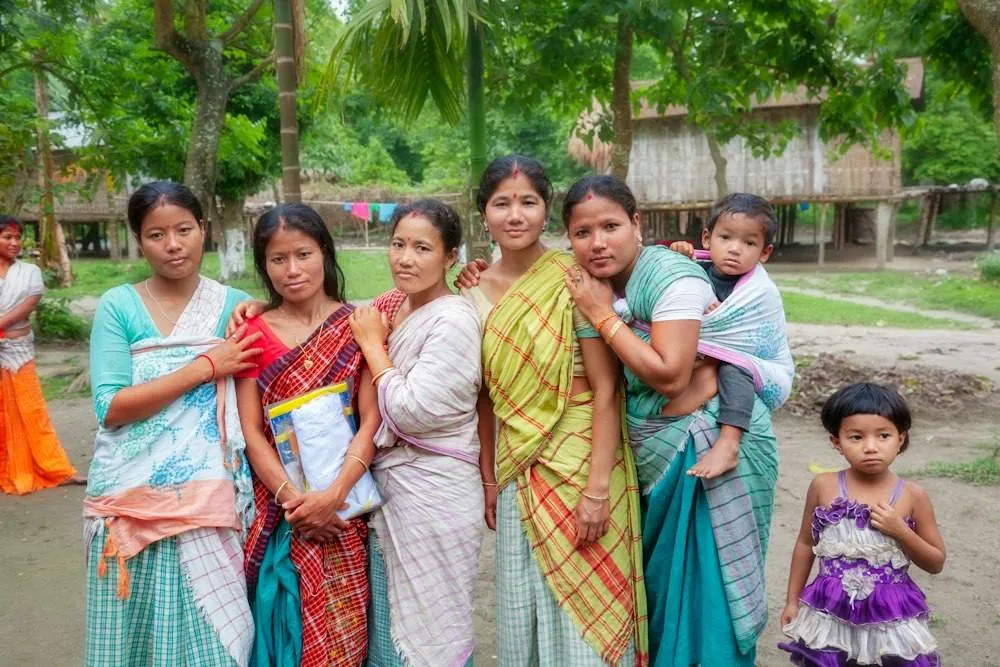 3Good health and well-being
Care pathways designed around the frontline worker who delivers them.
 2Zero hunger
Farmer programs built on season, soil and the real cost of reaching a village.
 8Decent work
Income programs measured by earnings that last past the grant.
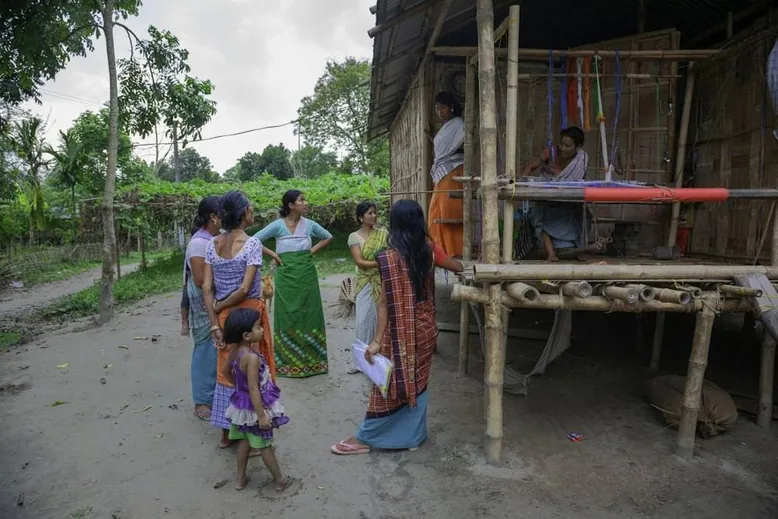 16Strong institutions
Public systems citizens can reach, use and hold to account.
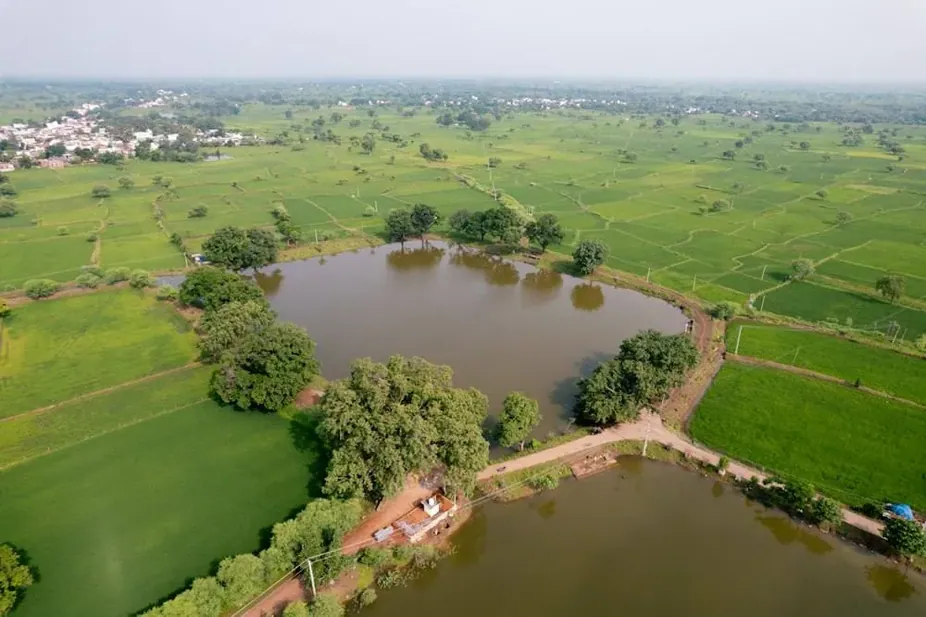 17Partnerships for the goals
Coalitions where every partner knows what they own.
“The most expensive decisions in a programme are made before anyone costs them. Bring us the plan early, and we will help you get the cost per outcome right before the budget locks.”
The decisions that decide value per rupee are made early and are expensive to reverse. Forty-five minutes with one of the people above, and our read on your problem either way.