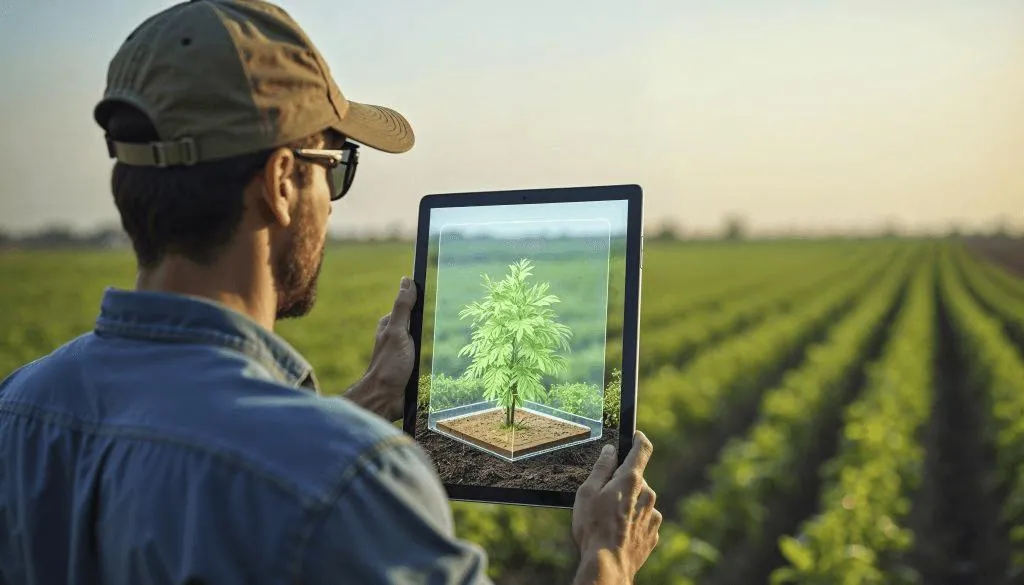

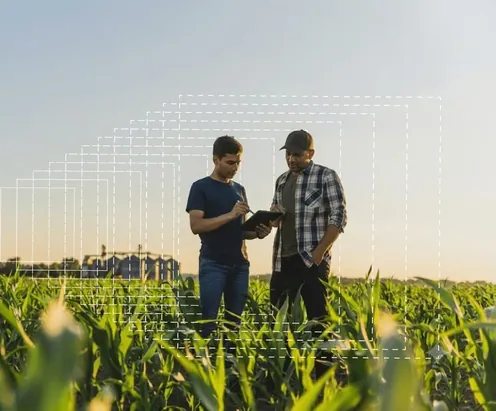







A young agronomist stands in a field with a tablet. An older farmer stands beside him, hands in his pockets, listening. It is a familiar image. It is also, quietly, the whole problem.
Most agri-tech products start with a sensor, a dashboard, or a model. They start with what technology can measure: soil moisture, yield prediction, pest detection. These are real problems worth solving. But the starting point shapes everything that follows. When the product begins with the technology, the farmer becomes the last person consulted, not the first.
The gap is not adoption. It is authorship.
Ask most agri-tech founders why farmers are slow to adopt their tools, and they will talk about literacy, connectivity, or trust. All three matter. But they are downstream questions. The upstream question is simpler: who decided what problem this tool would solve?
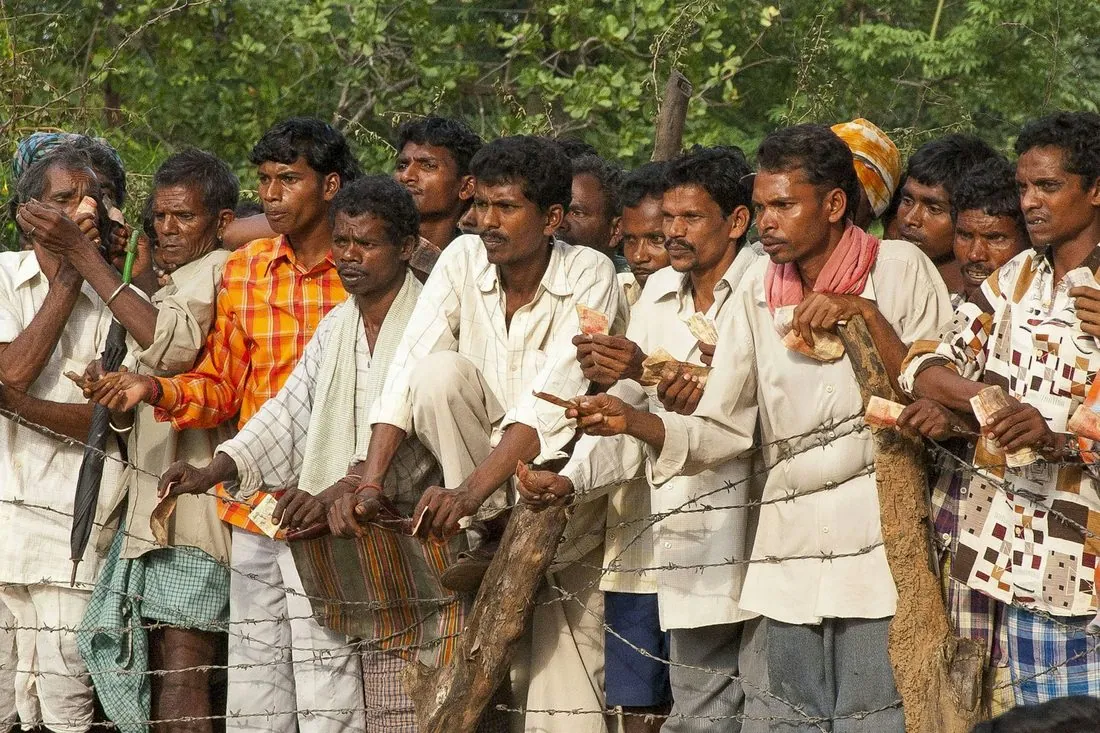
Farmers already run complex, adaptive systems. They read weather patterns their grandparents taught them. They know which patch of land drains slowly after rain. They make decisions with incomplete information every single day. What they lack is not judgment. It is a seat at the table when the product roadmap gets written.
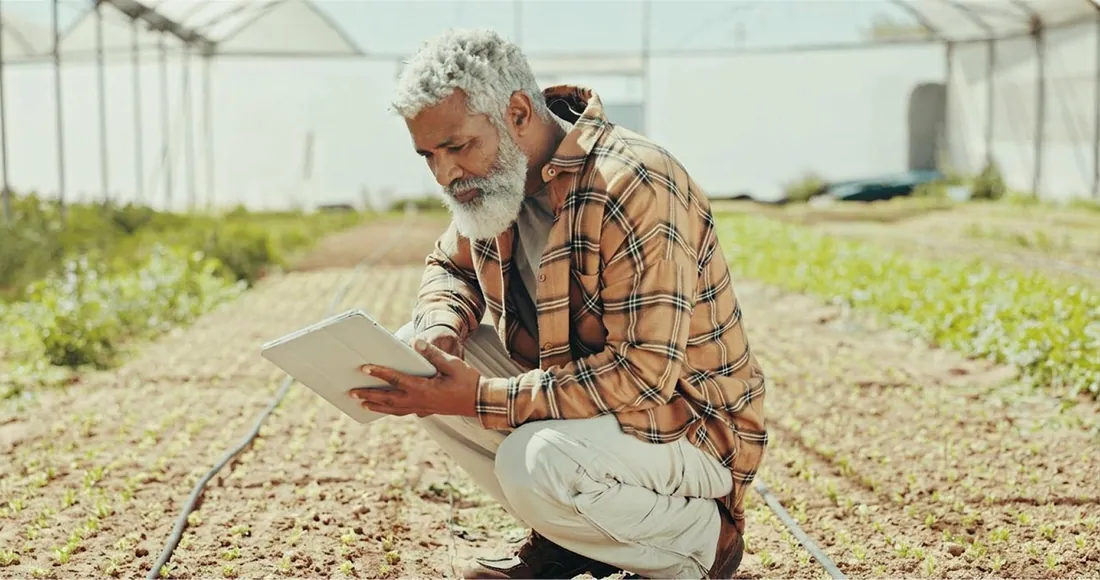
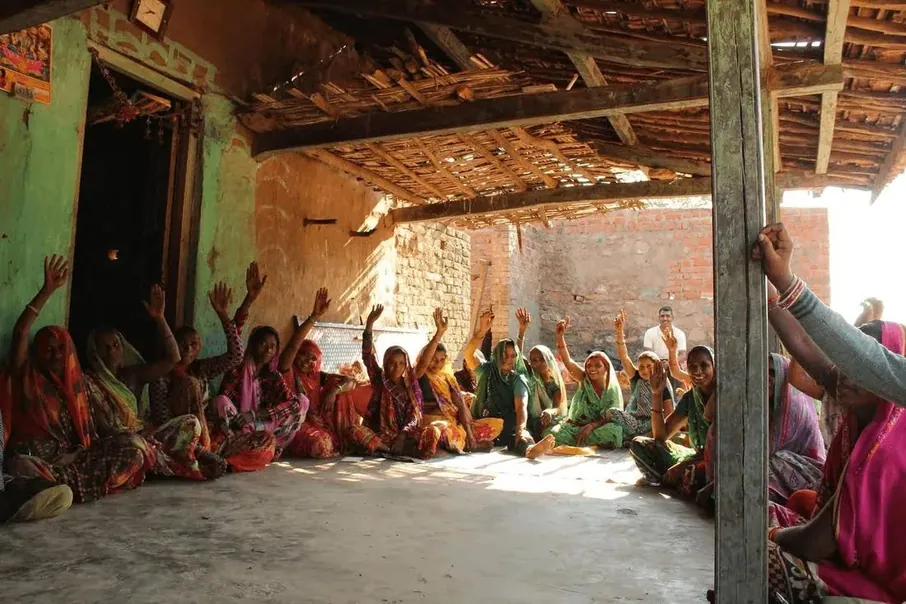
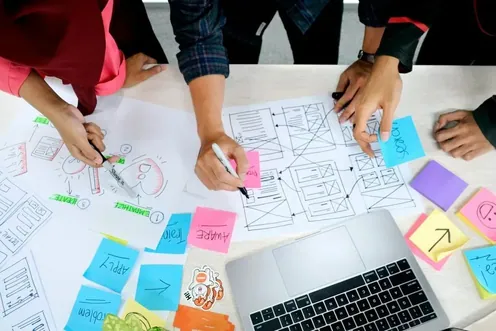
Designing with farmers, not for them
The shift is not complicated to describe, only to practice. It means:
- Starting with the decision, not the data. Irrigate or wait. Sell or store. Treat or watch. Build the tool around that decision, not around the sensor that happens to be available.
- Testing language before testing features. Local terms, local units and local benchmarks decide whether a dashboard gets trusted or ignored.
- Treating the field visit as research, not rollout. Go in with an open question, not a finished demo, and let the answer change the plan.
- Measuring what farmers measure. Yield is one number among many. Farmers also track labour cost, risk and time.
What this looks like in practice
Good agri-tech products tend to share a pattern. They are built by teams who spent real time in the field before writing a line of code. They pilot with a small group of farmers who are allowed to say no. They change the product based on that feedback, publicly and often. And they measure success by what farmers keep using after the novelty wears off.
None of this is slower than the alternative. It only looks slower at the start. Products built without farmer input tend to spend years afterward trying to win back trust they lost in the first conversation.
Key pointers
- Adoption is not the real gap. Authorship is.
- Begin every engagement with a decision, not a dashboard.
- A field visit should be able to change the roadmap. If it cannot, it is not research.
- Yield is one number among several a farmer is actually optimising for.
Agri-tech does not need farmers to catch up to it. It needs to catch up to farmers.