












SBI Youth for India Fellowship
Rebuilding selection and placement for a thirteen-month rural fellowship, so fellows and host organisations are matched before they meet.
- Focus area
- Civic Engagement
- Location
- 18 states
- Year
- 2024
- Services

Context
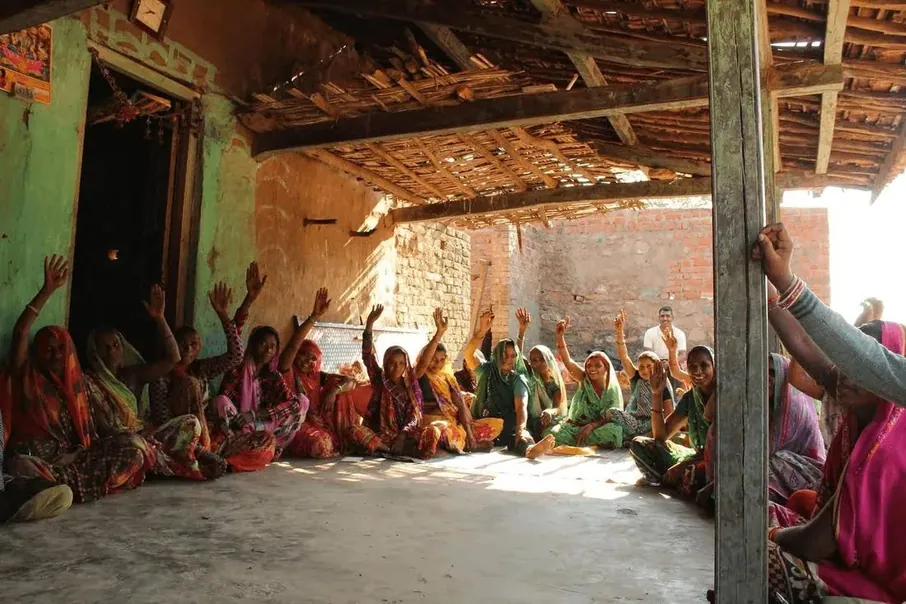
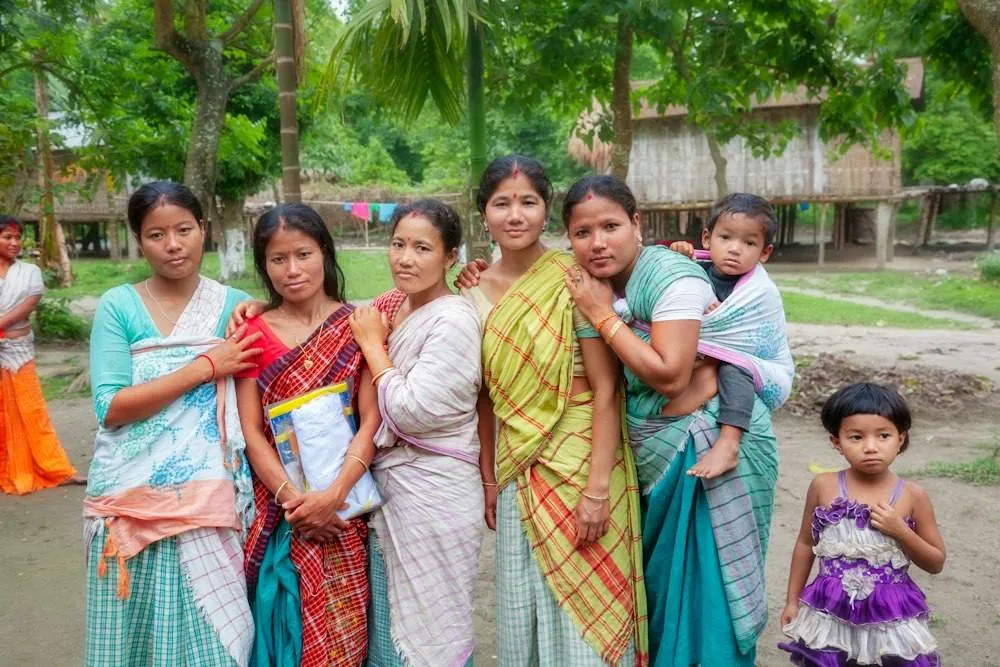
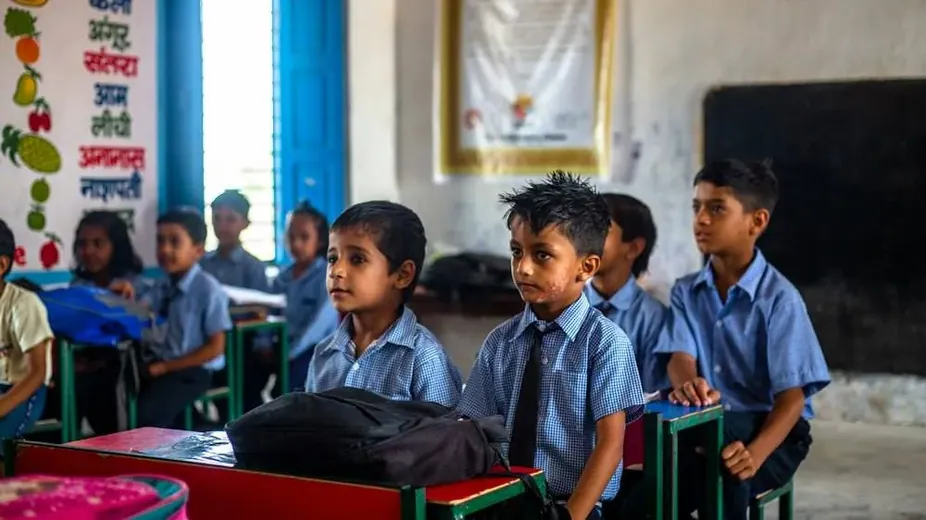
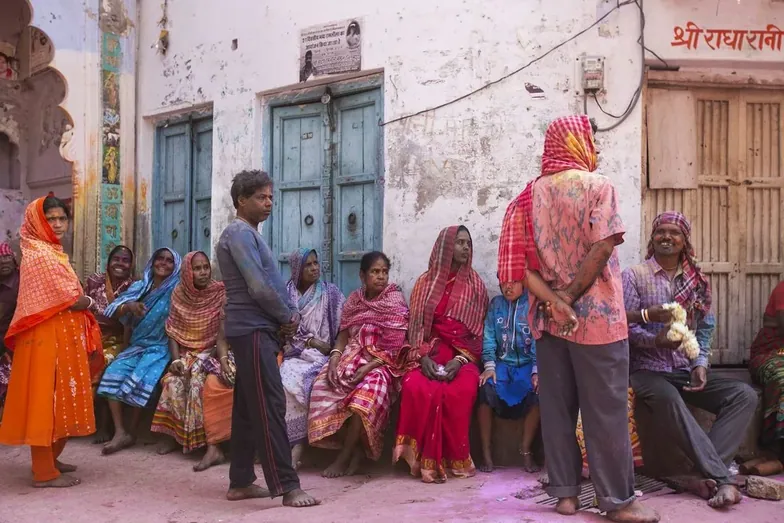
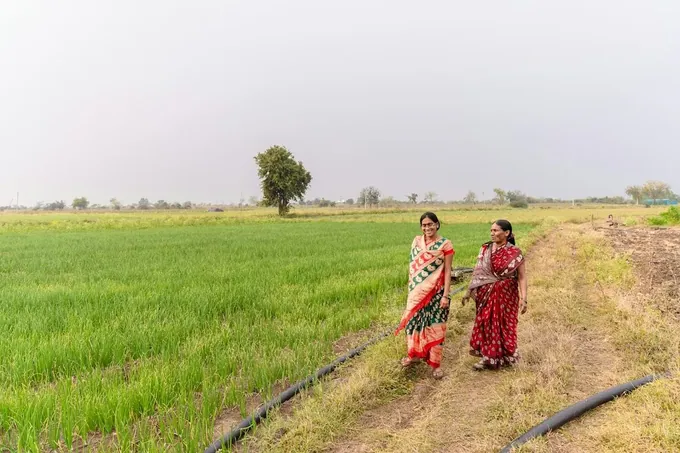
SBI Youth for India places professionals with grassroots host organisations for a thirteen-month rural immersion. A cohort runs across 18 states, with fellows living in the communities where their host works: an agriculture collective in Bihar, a school network in Odisha, a water programme in Rajasthan.
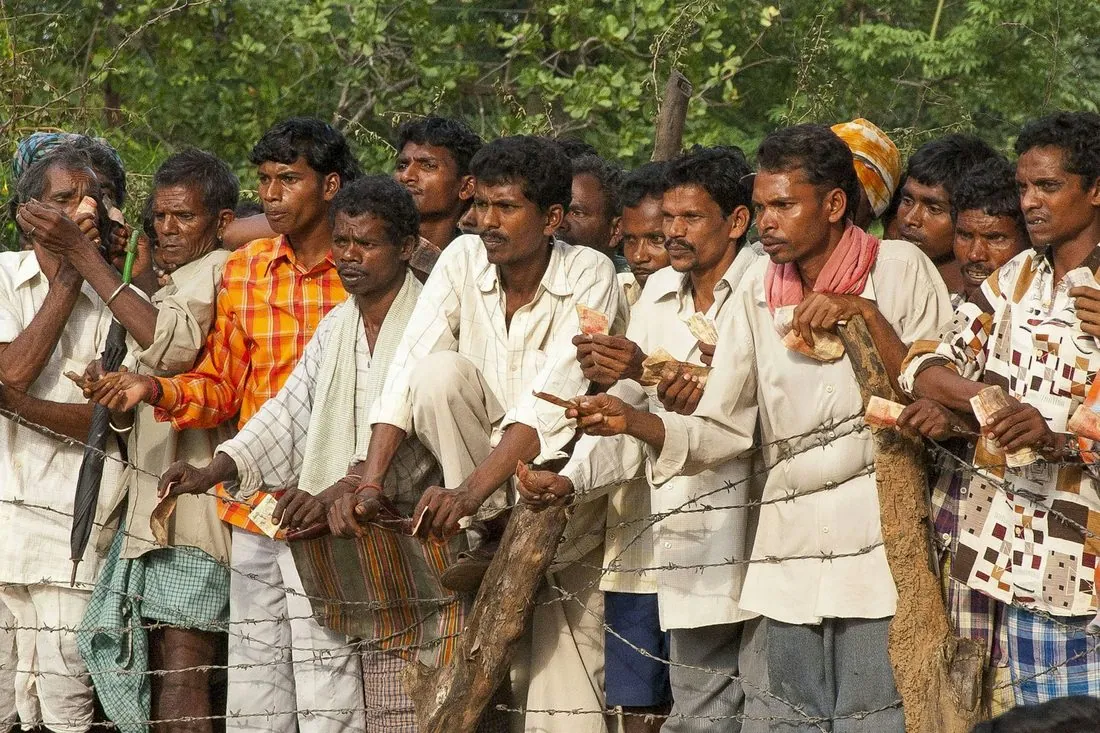
The programme was already well regarded and heavily applied to. Around 14,200 people applied in a cycle for a cohort in the low hundreds. The strain was not interest. It was everything after it.


The constraint
Two things decided the whole year, and both happened before a fellow arrived anywhere.
- Selection. The funnel rewarded what is easy to read on paper: degrees, employers, articulate essays. Those signals say little about whether somebody can sit in a village for thirteen months, be useful to a host who is busy, and keep going when the work is slow.
- Placement. Fellows and hosts met properly only after the match was made. A mismatch surfaced in month two, by which time a fellow had moved states and a host had rearranged their year.
Downstream, the experience was spread across dozens of host organisations with no common operating standard. Some hosts gave a fellow a desk and a mandate. Others were not sure why the fellow was there. Mid-fellowship attrition was concentrated in that second group, and the programme team usually heard about it late, from the fellow, when the decision to leave had already been made.
Selection cycles also ran 16 weeks. In that time good candidates take other jobs.
What we changed
We worked on the funnel, the match and the year in parallel, because fixing one without the others just moves the failure later.
- Selection rebuilt around field-predictive criteria. We went back through past cohorts and asked which signals actually predicted a fellow completing well. Prior time spent in an unfamiliar setting, evidence of finishing something difficult without supervision, and comfort with ambiguity came out ahead of pedigree. Those became scored criteria with written anchors, and reviewers were calibrated against the same sample set before scoring.
- Host readiness checked before placement. Hosts now complete a short readiness step: who supervises the fellow, what the fellow will own in the first month, where they will live, what the host expects to get. Hosts who cannot answer are not disqualified; they are supported until they can, or they sit the cycle out.
- A common check-in cadence with a visible escalation path. Fellow, host supervisor and programme team each complete a short monthly check-in. A missed check-in is itself the signal. Two in a row escalates to a call from the programme team, which is a different conversation from an exit interview.
- Stipends and claims put on a schedule. Money arriving late is a quiet reason people leave. Payments now run from the live roster on a fixed date.
What changed
- 14,200 applications processed in a cycle with the same core team.
- 16 weeks to 7 for the selection cycle, most of it recovered from waiting between rounds rather than from rushing any single stage.
- 42% fall in mid-fellowship attrition, comparing the two cohorts after the change with the two before.
The attrition number is the one we trust least on its own. Cohorts differ, and two cycles is a short baseline. What we can say more confidently is where the fall came from: exits in the first four months, which were the ones most often traced to a mismatch nobody caught.
What carried over
The programme kept the parts that were working and did not want a new system for its own sake. Most of what changed lives in sequence rather than software: check the host before the match, calibrate the reviewers before they score, make the missed check-in the alarm rather than the exit.
The one place technology earned its keep was the record. Application, placement, stipend, check-in and review now sit on the same record per fellow, so a conversation in month nine can start from what actually happened rather than from memory.