











 Typically 3 to 6 weeks
Feasibility, coverage and routing, staffing ratios, cost-per-touchpoint modelling, and a costed operating plan.
Programs designed with the cost per outcome right, before the budget locks.
Find out what people will actually do, before you build for what you assumed.
Purpose-built systems that work on the ground, not only on the dashboard.
Field operations that turn a plan on paper into work on the ground.
We build and run field operations: the people, tools and discipline that turn a plan into work on the ground. We run it for you, or build it and hand it to your team.
Design gets months of attention. Execution gets a hiring requisition and an app. When a program underperforms, the cause is almost always one of four things.
Roles go to whoever is reachable before launch. First-ninety-day attrition runs at 40 to 60% on programs we’re brought in to fix, and every exit breaks community trust.
Forms built for the dashboard, not for someone in a courtyard with 12% battery and no signal. The data comes back slow, incomplete or quietly invented.
One supervisor to 30 staff across 200 km is an org chart, not a supervision system.
Four to six weeks late, field data becomes reporting instead of management. It should change next week, not explain last quarter.



Each of these is fixable. None of them is fixable once you are already in the field.
Skip a stage and you pay for it later at three times the cost. Every engagement runs this way, whether it lasts six weeks or four years.
Diagnosis and handover are where we differ most.
Two to four weeks on the ground before any commitment on scale: terrain, travel time, language, seasonality, access. You get the written diagnostic even if you take it elsewhere.
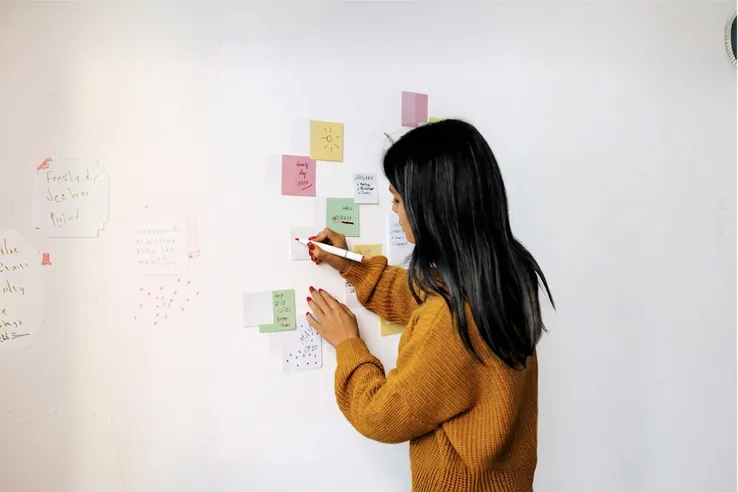
Coverage, routing, cadence, span of control, escalation and cost per touchpoint. This is where the program’s real unit economics get decided.
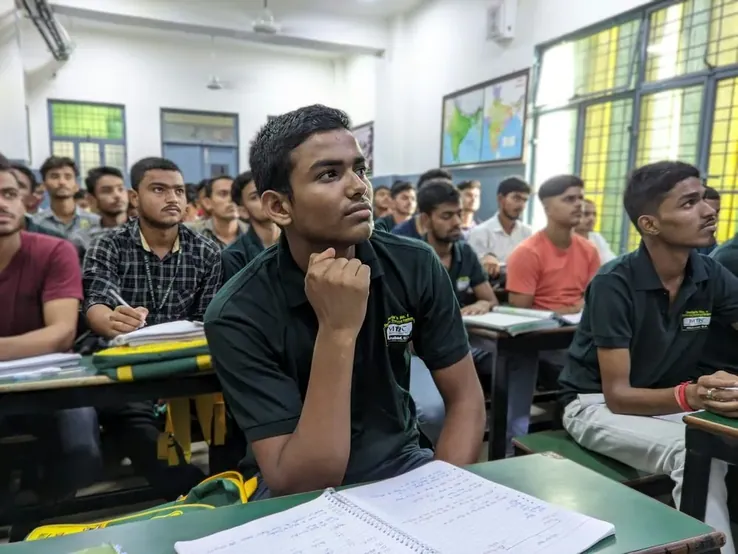
Roles built from the workflow, local sourcing, structured vetting, and training with certification before anyone deploys. We hire locally by default.

Offline-first data capture, devices, connectivity and SOPs written for the person doing the work, not the person reading the dashboard.
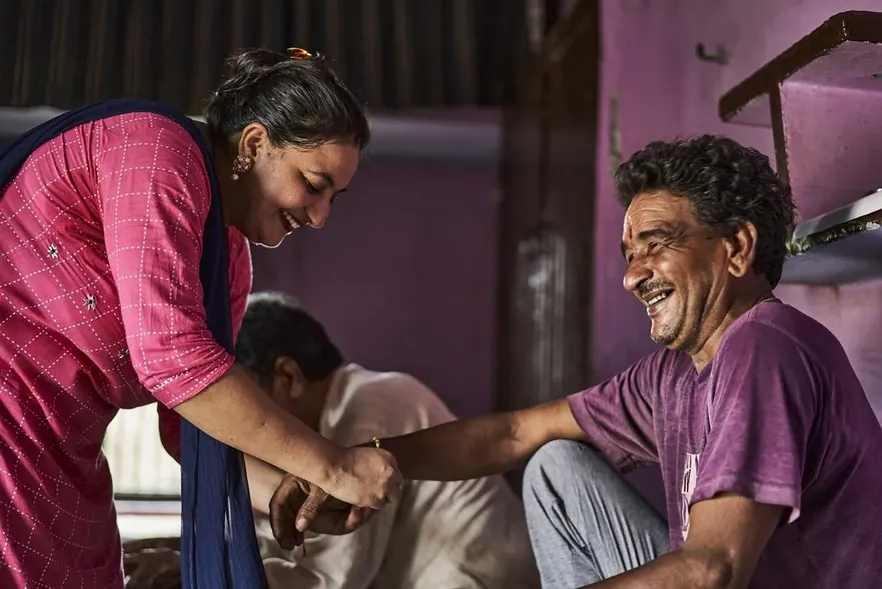
Phased rollout: a reference implementation in a bounded geography, stabilised and measured before scale.
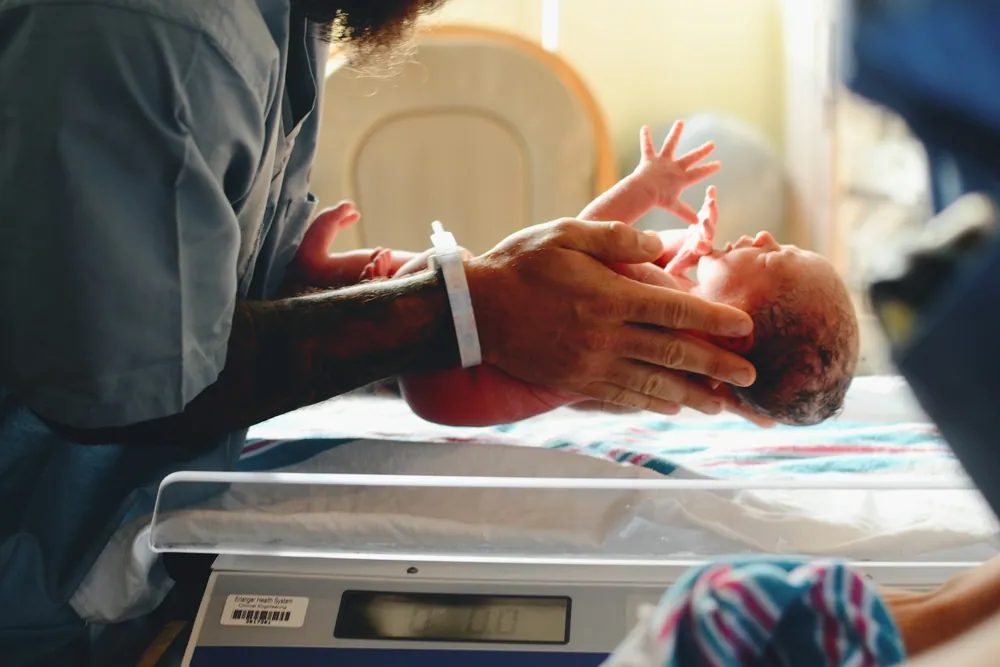
Back-checks, spot audits, GPS and timestamp validation, and a weekly correction loop. Quality is a running process, not a final report.

Documented SOPs, trained supervisors and a defined handover point. You should be able to run this without us, and we plan for that from week one.
Each stands alone, and each connects to the rest of the model.
Typically 3 to 6 weeksFeasibility, coverage and routing, staffing ratios, cost-per-touchpoint modelling, and a costed operating plan.
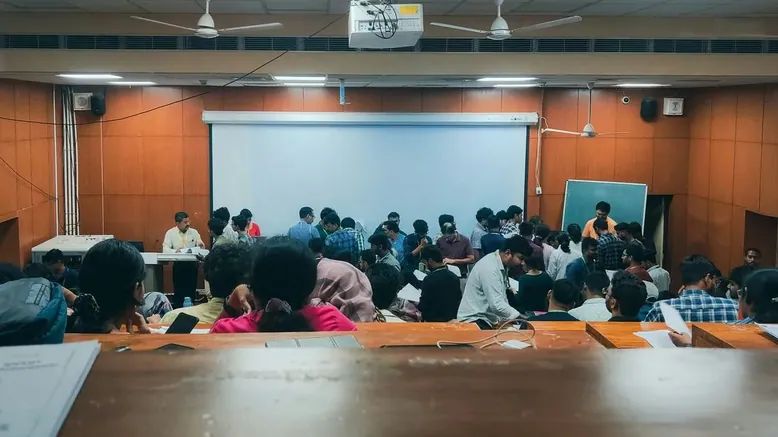 Sourcing to certification
Role architecture, local sourcing, vetting, training, certification and retention design. 82% retention past twelve months.
 Tool-agnostic
Offline data collection, device management, supervisor dashboards and quality flags, integrated with the MIS you already own.
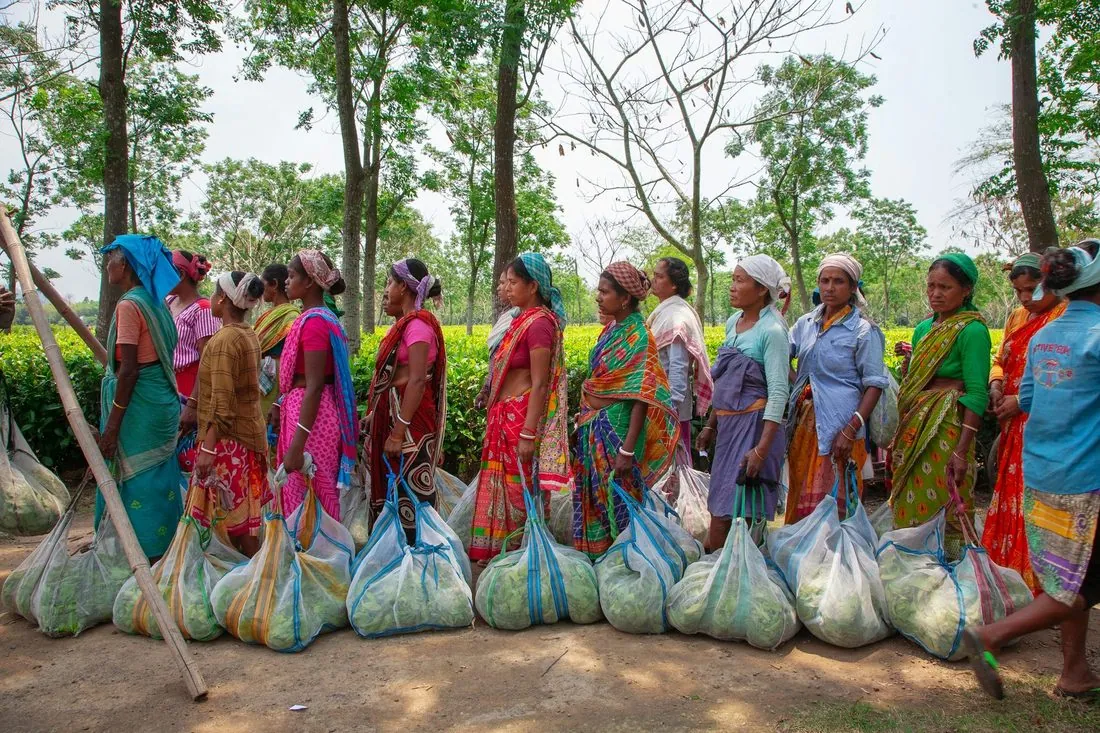 We run the field
SOPs, supervision cadence, escalation, field payroll and welfare, and daily operational management.
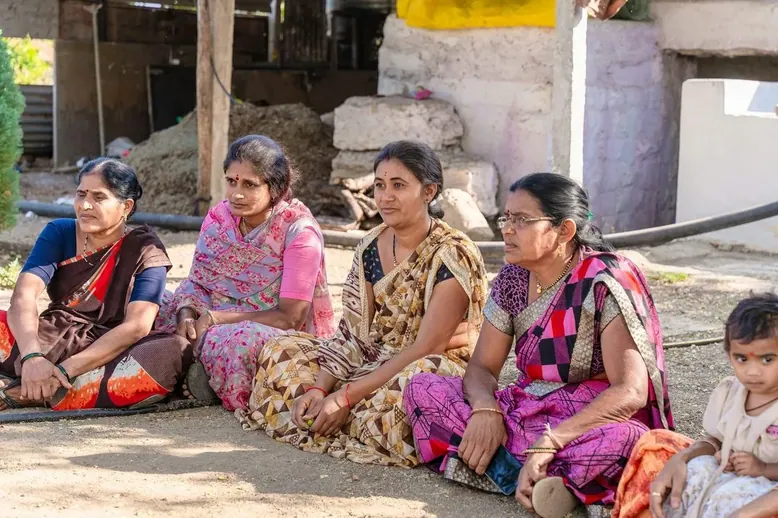 Also standalone
Independent back-checks, audit sampling, anomaly detection and a documented correction loop, even over teams we didn’t recruit.
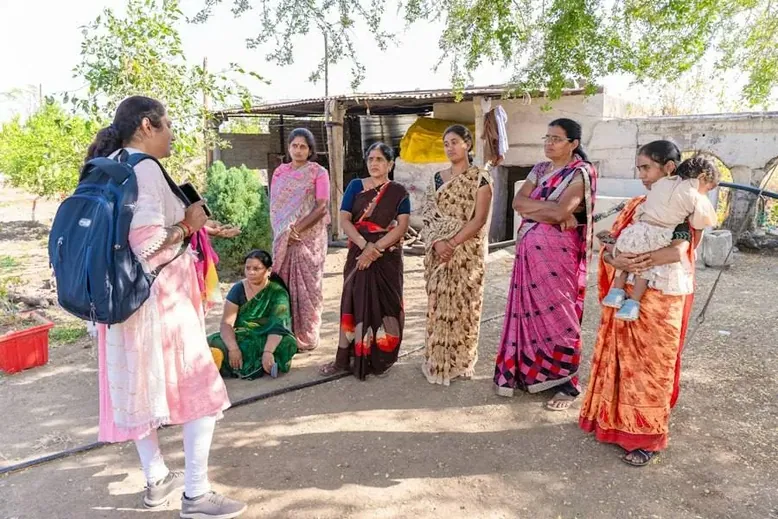 Your team, our playbook
A defined handover with a competency checklist, not a document dump. We succeed when we’re no longer needed.
Hire us to run it, or to make sure you never need to hire anyone to run it. We’ll tell you which one your program needs.
Real durations from real programs. A state-wide rollout in six weeks is a launch, not an operation.
Weeks 1 to 4 · Field immersion and constraint analysis. Delivers a written diagnostic and a costed plan.
Weeks 4 to 8 · Roles, sourcing, vetting and training. Delivers a certified field cohort and full SOP set.
Weeks 8 to 20 · One bounded geography, fully instrumented, corrected weekly. Delivers real cost and quality data.
Weeks 20 to 40 · Replication across geographies, supervisor layer built out, quality systems at volume.
Week 40+ · We keep running operations, or hand over to your team over 8 to 12 weeks.
Hold us to these, and ask anyone else you evaluate to publish theirs.
Figures in brackets are placeholders. Verify with delivery leads and get client naming permission before publishing.
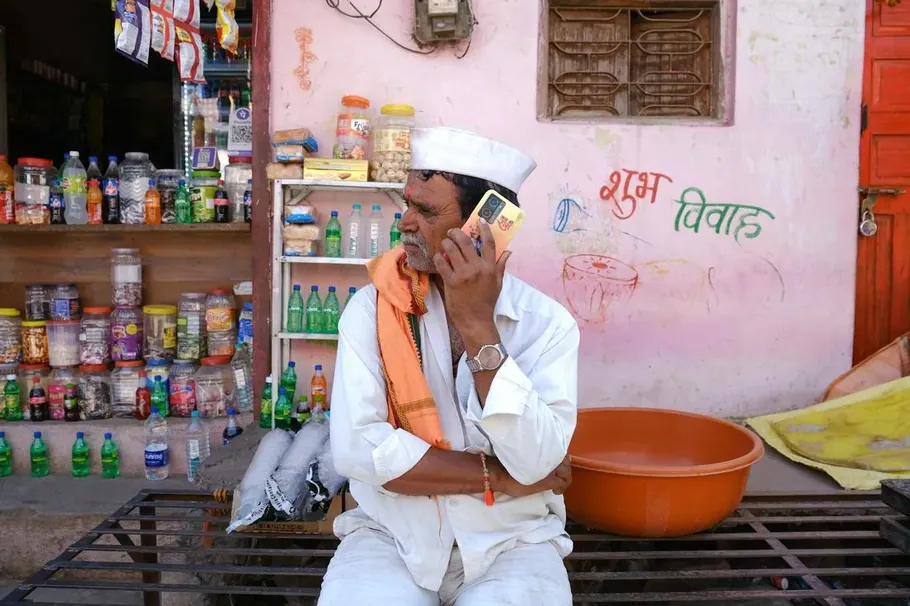
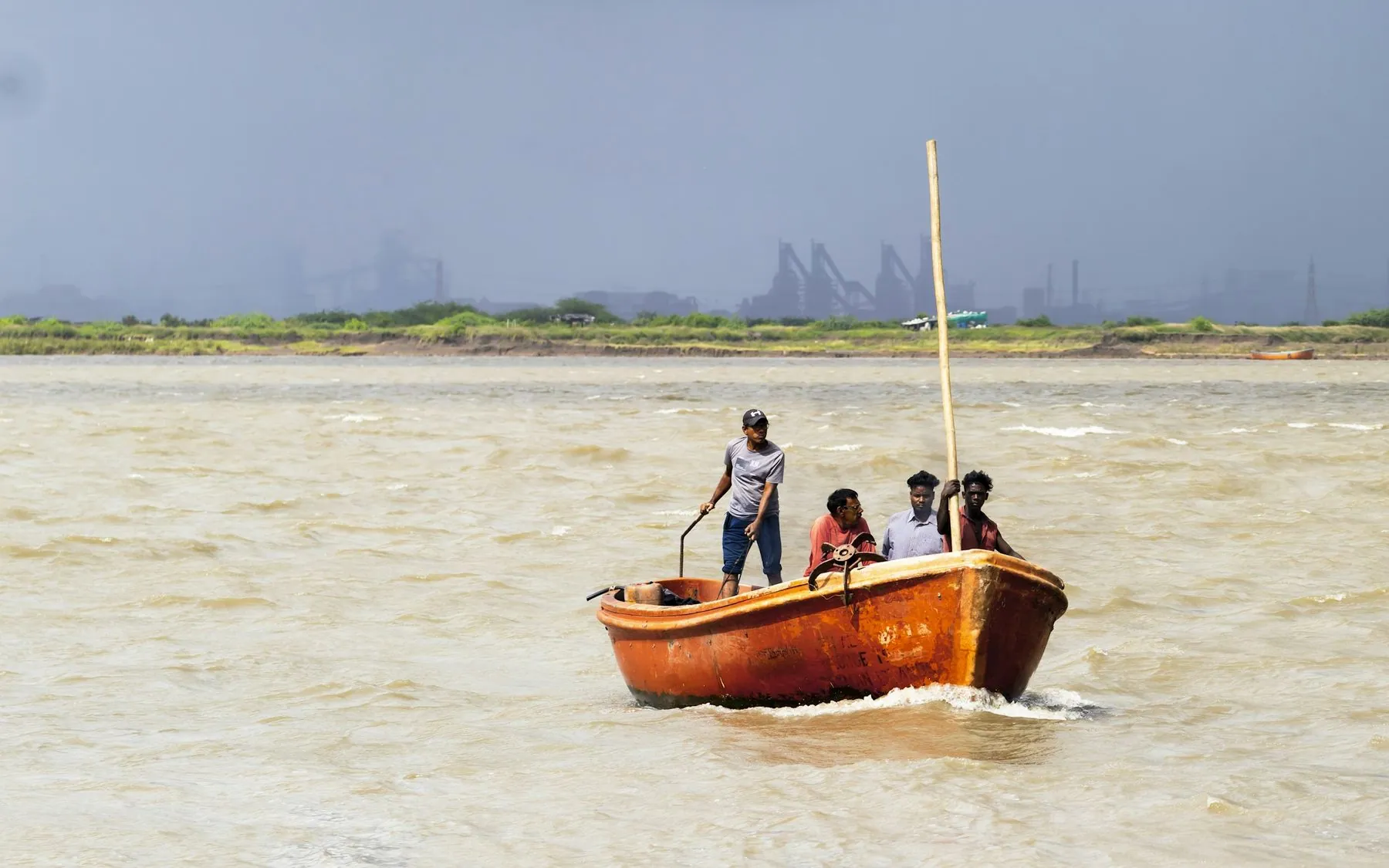
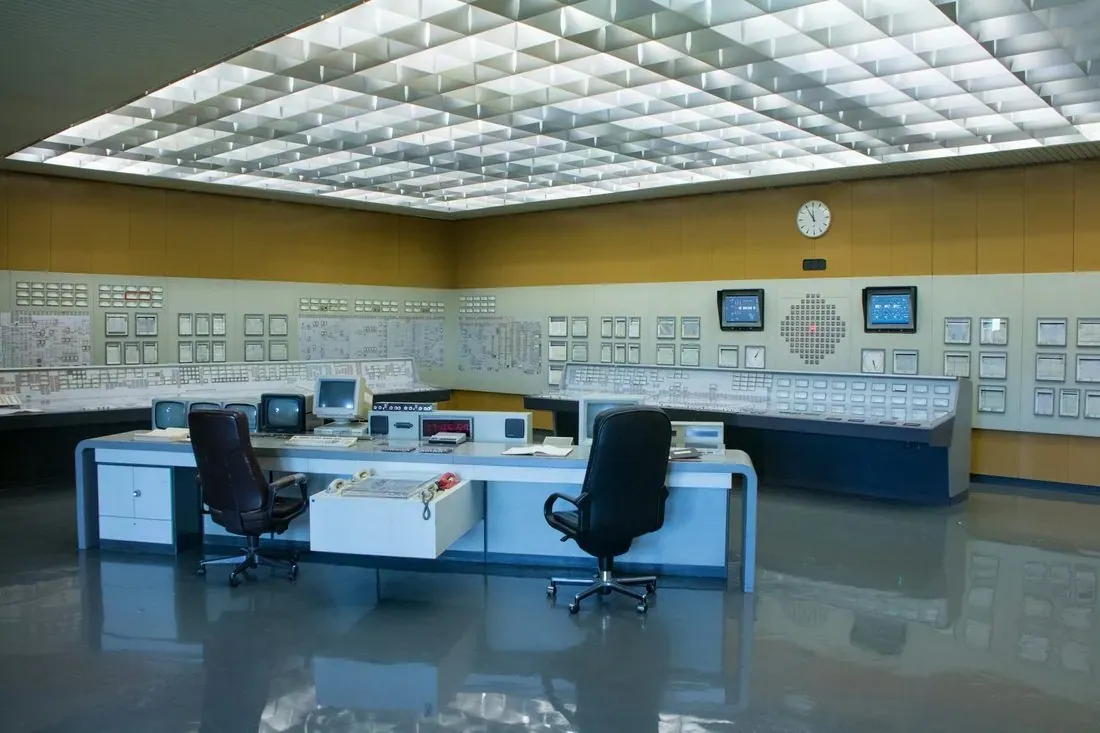
 Placeholder · Unsplash
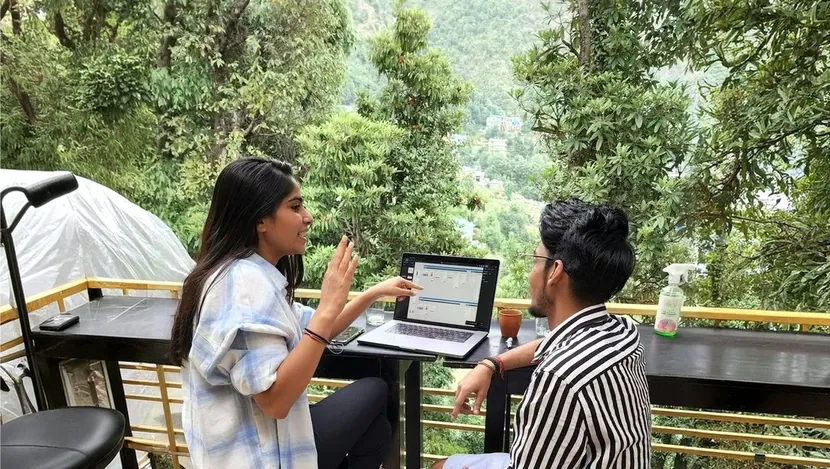
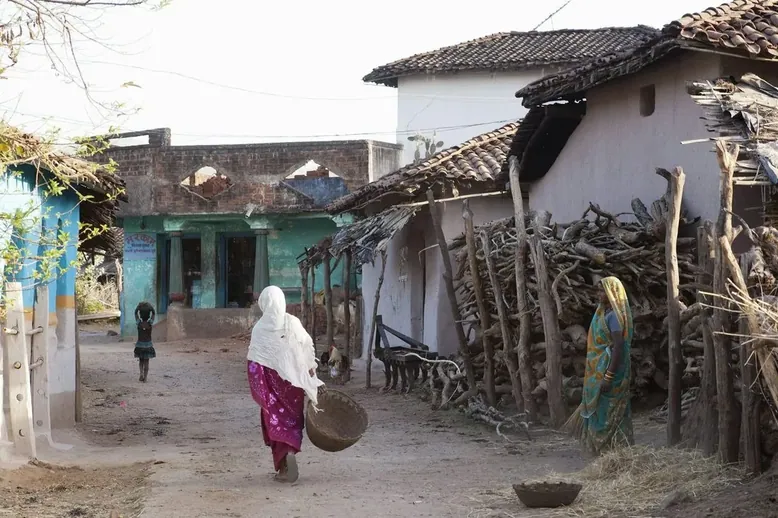
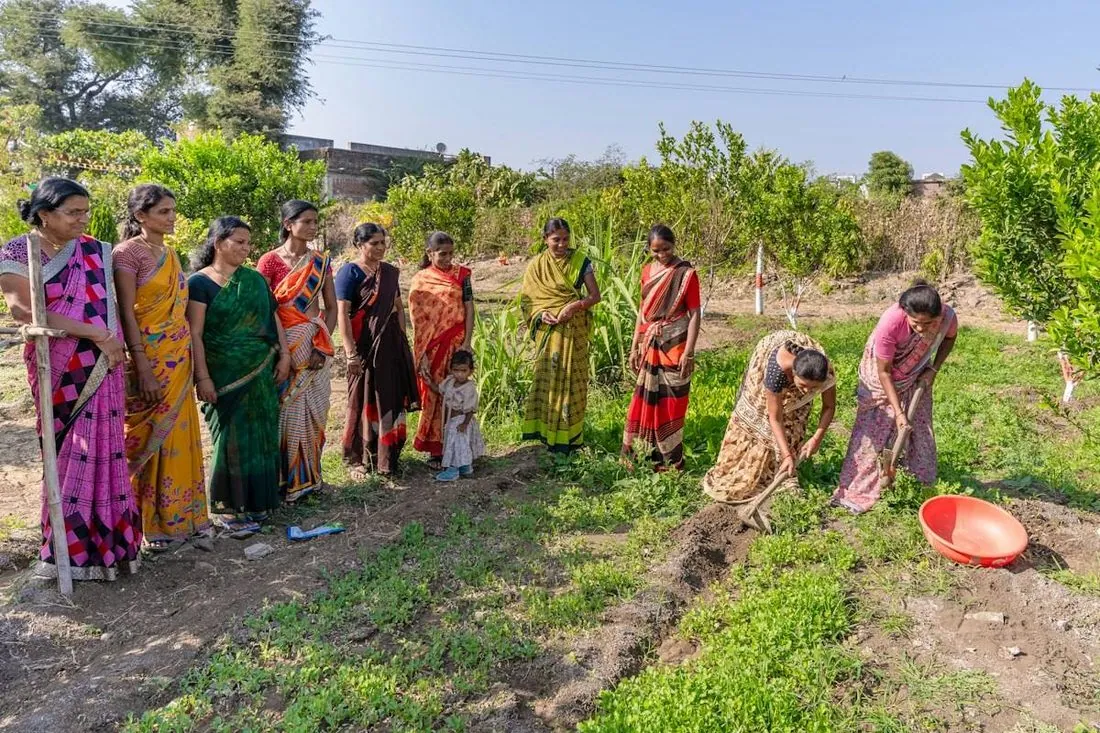
 Placeholder · Unsplash
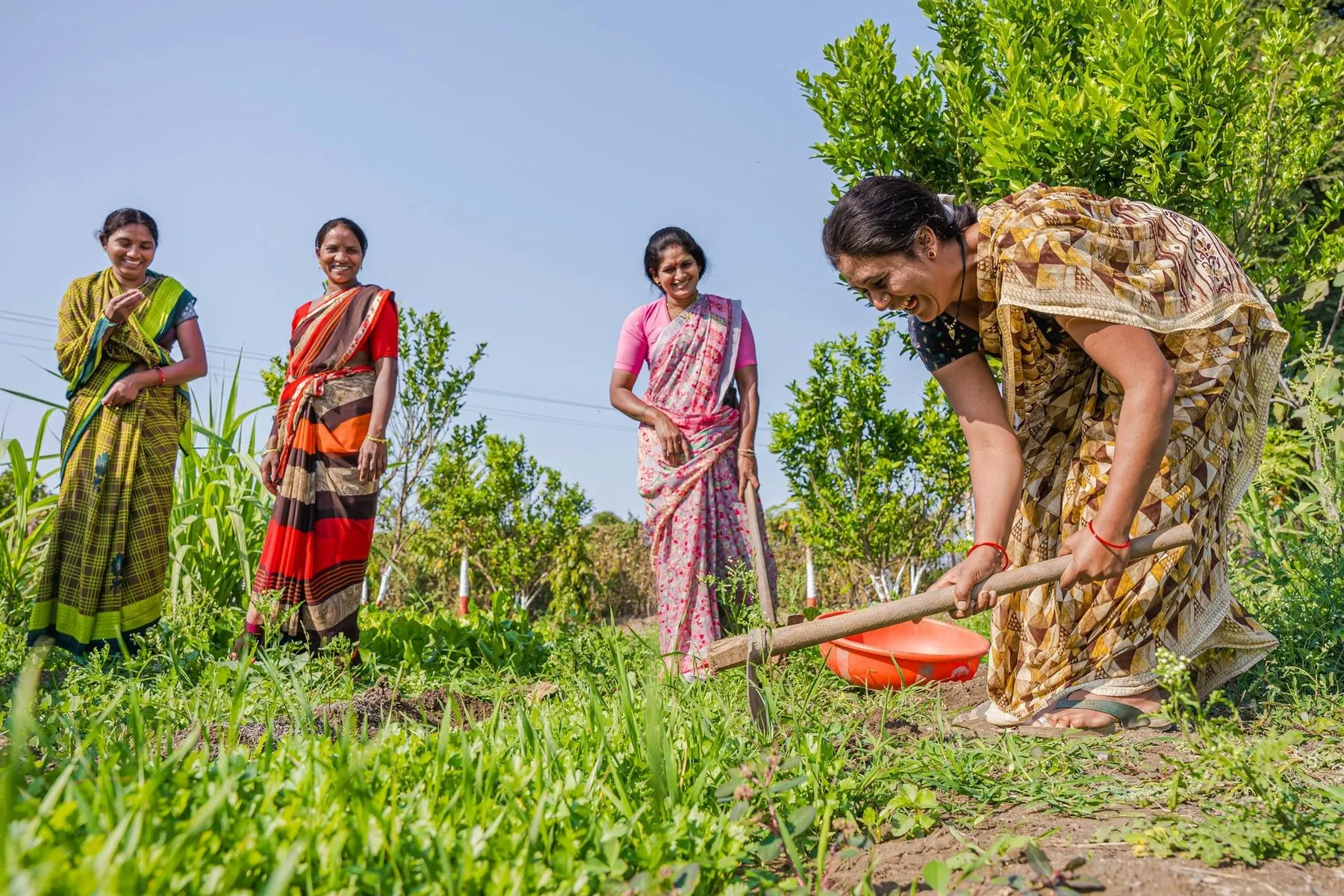
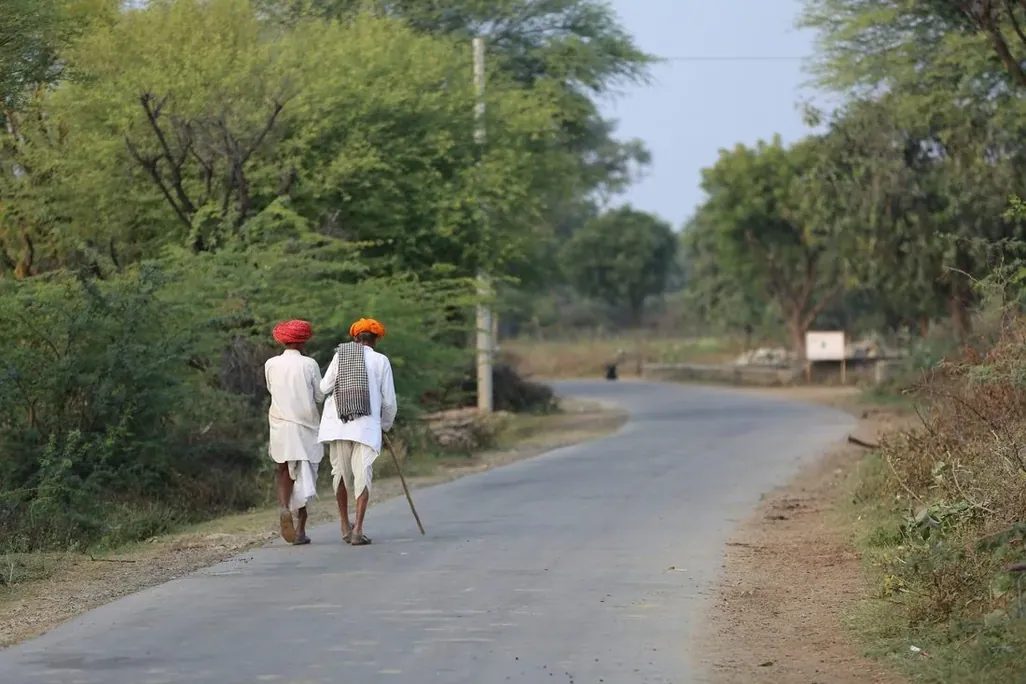
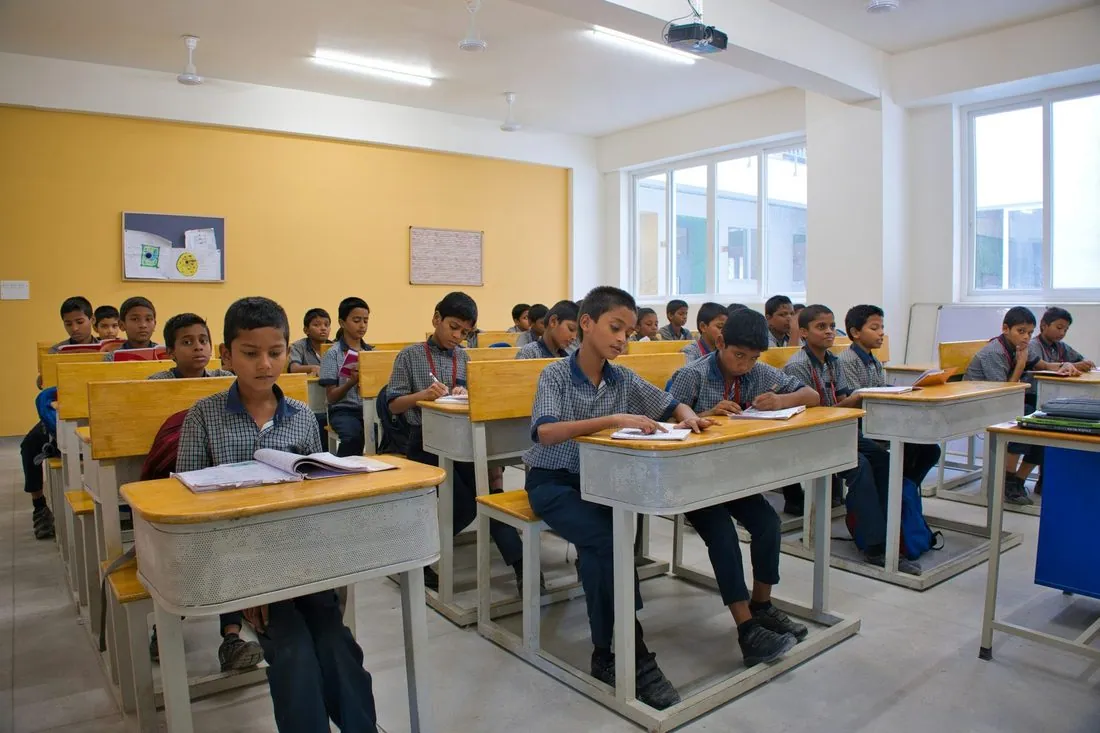
 Placeholder · Unsplash
Full case notes, including what didn’t work, are available on request. We’ll send the version with the failures in it.
Scale and auditability. We work within your systems and build for handover to permanent staff.
Execution that survives funder scrutiny, so your team stays on design and relationships.
Impact per rupee, instrumented from day one and reported whether or not it flatters.
A reference implementation you can point at before you raise.
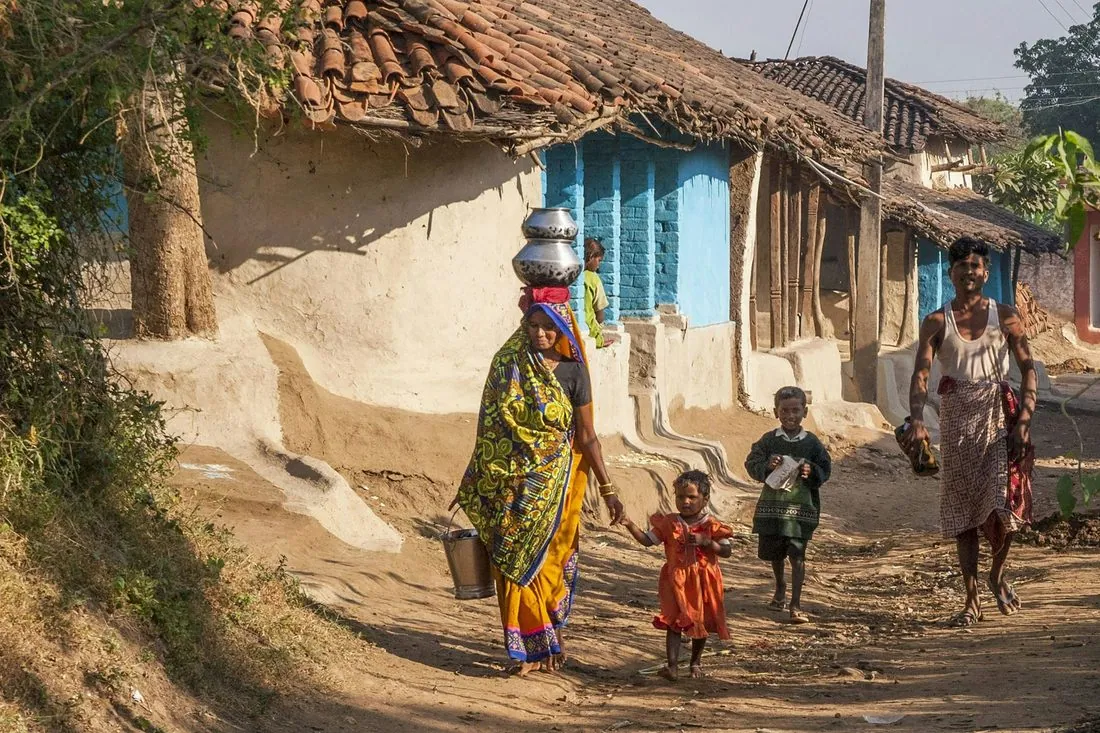
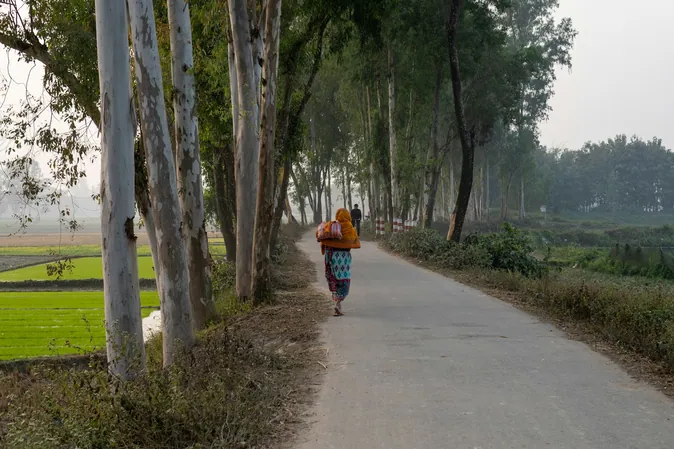
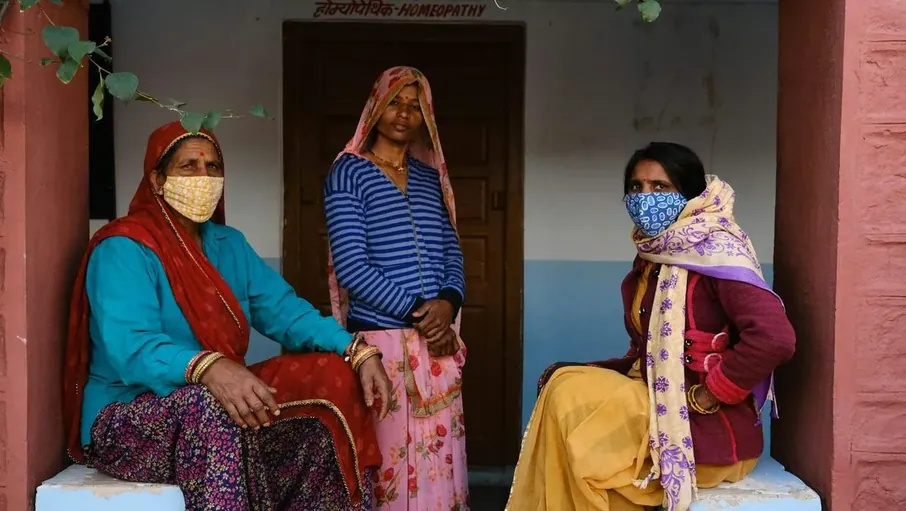
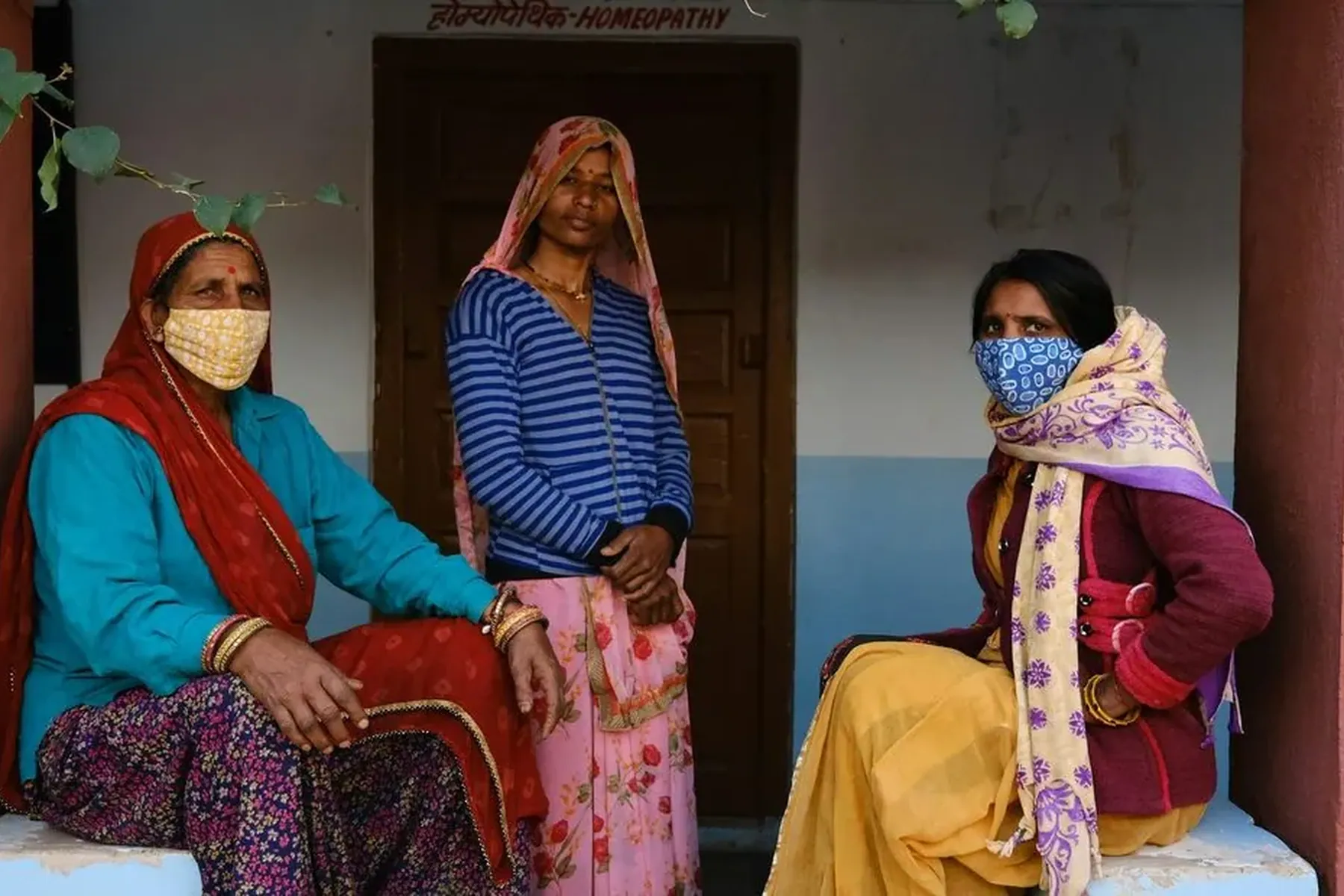
Field operations is a specific person walking a specific route on a specific morning. 74% of our field staff are hired from the districts they work in.
Diagnostics are fixed-fee. Execution is priced per unit of field activity (per household, beneficiary or verification), so cost scales with delivery rather than headcount.
A diagnostic starts at ₹6 lakh. For execution we’re usually the wrong choice below 25 field staff or 3 districts, and we’ll say so.
You do, entirely. We keep no residual rights and delete our copies at handover unless you ask us to hold them.
Yes, often. We run collection and quality assurance; they run analysis and evaluation.
Your team runs it. We offer an optional quarterly audit and refresher, and stay reachable.
Yes, though India is where we are strongest. We have run programmes with partners in South Asia and East Africa, and the operating model travels: local hiring, a supervision cadence that works over distance, and systems that assume patchy connectivity. What we will not do is run a programme somewhere we cannot get a team onto the ground regularly.
The operational decisions that decide whether a program works are made before the budget locks. A fifteen-minute call; if we’re not right for it, we’ll point you somewhere better.