








Why does health software die in the field?
What frontline health workers need from software, and why so much of it is abandoned within months.
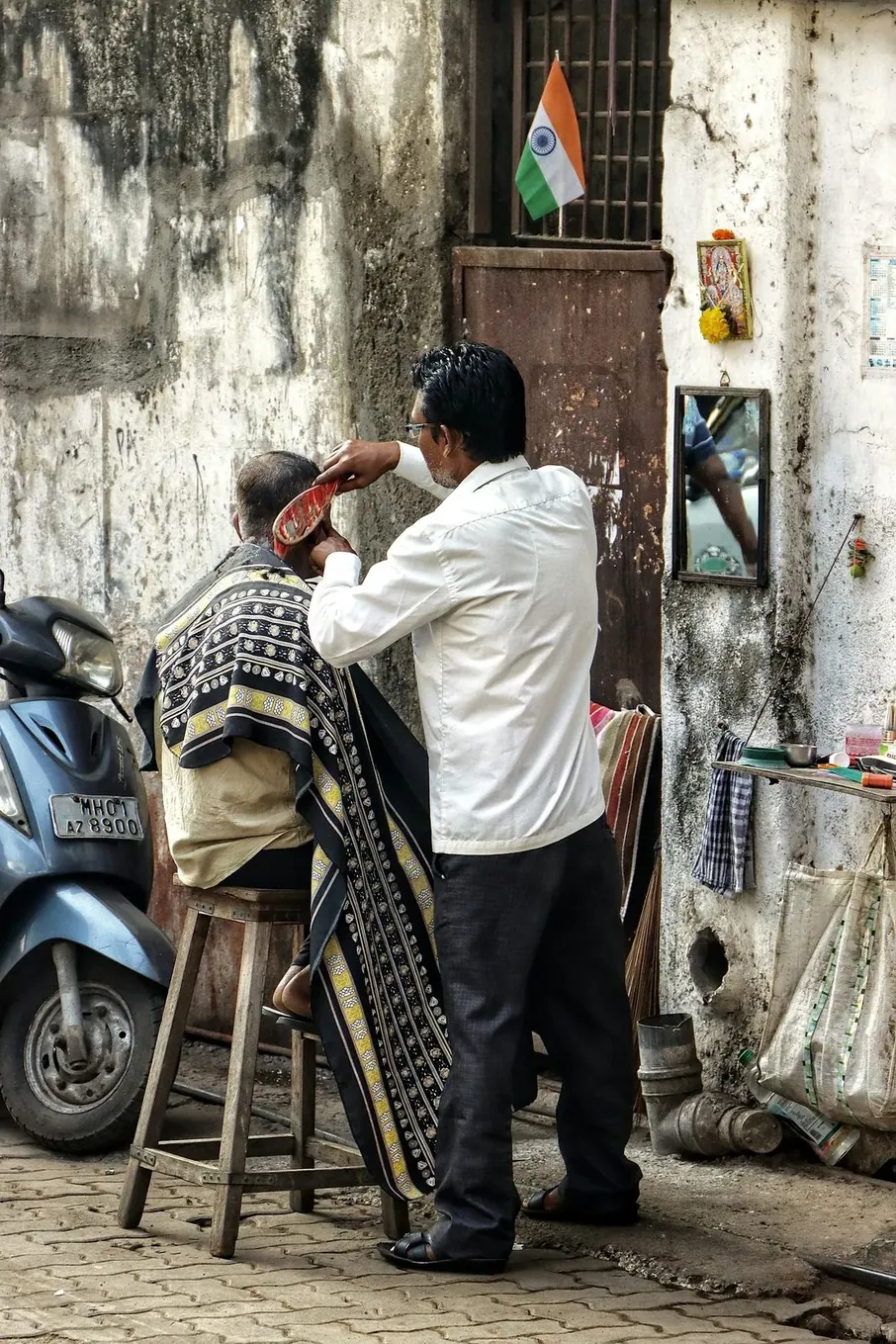
Most health software built for frontline workers is abandoned within months. Not because the idea was wrong, but because the tool asked for more than a community health worker could give on a full day.
A day in the life, not a list of features
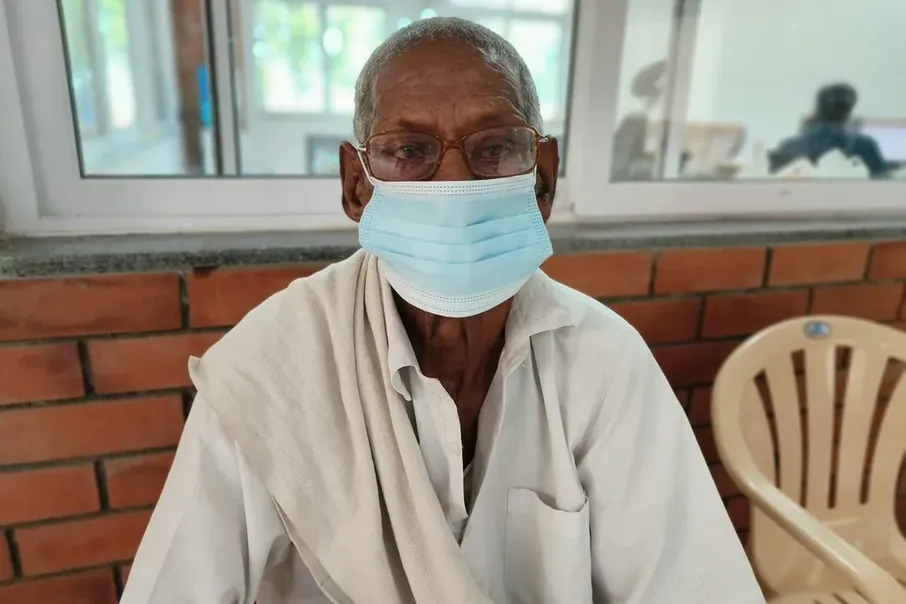
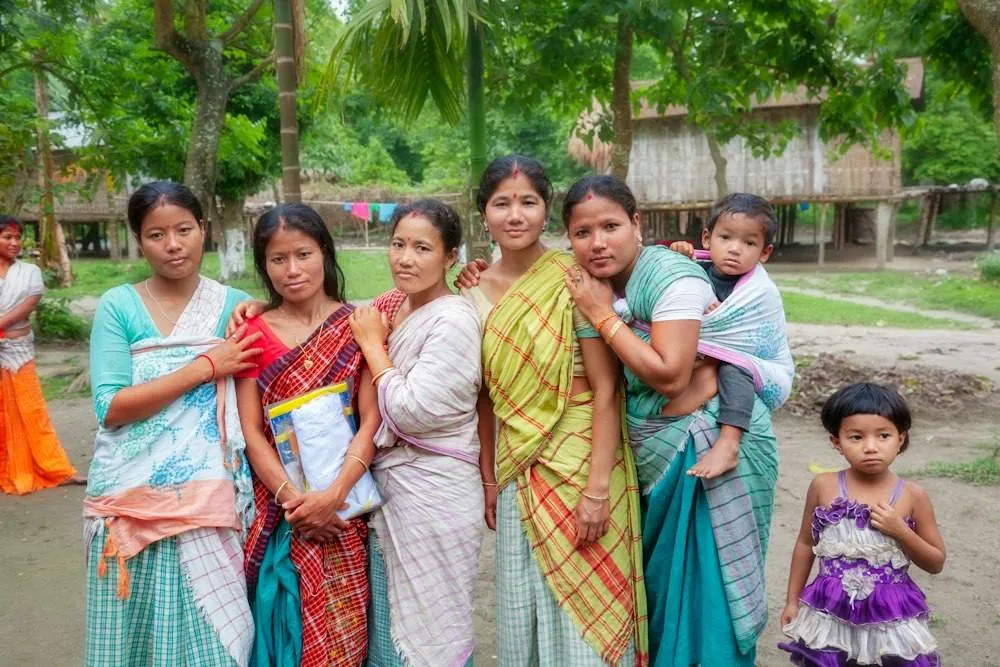
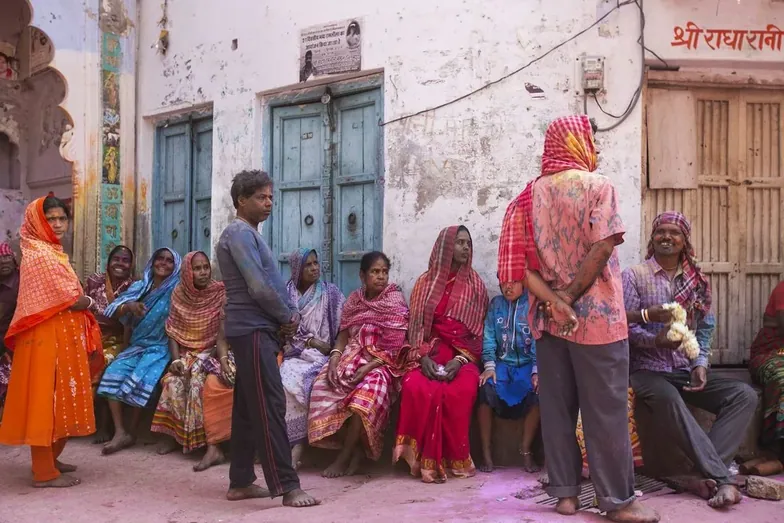
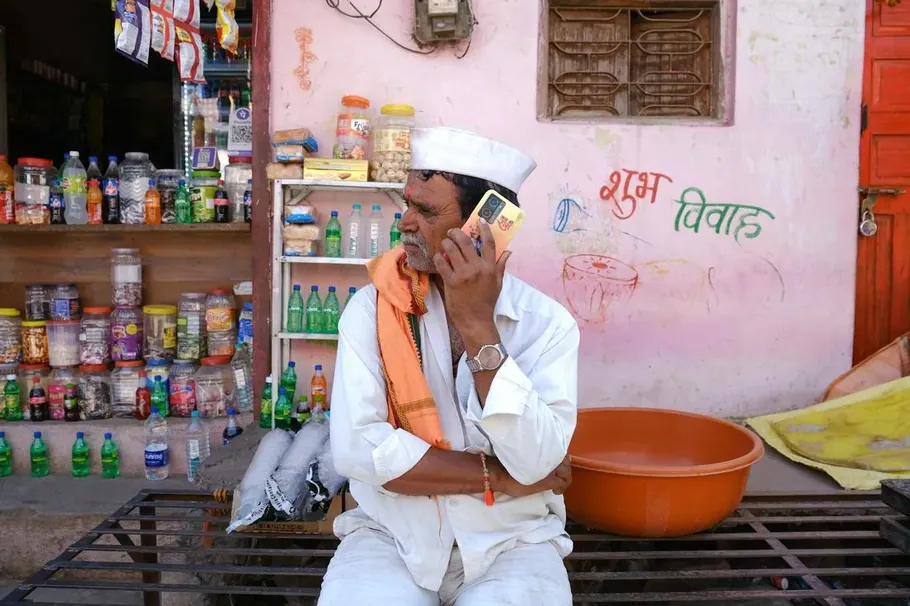
An ASHA worker in a Bihar block may cover 1,000 people, carry three registers and a phone she shares with her family. Every extra field on a form is time taken from a home visit. Software that ignores this becomes one more register, and the first one to be dropped.
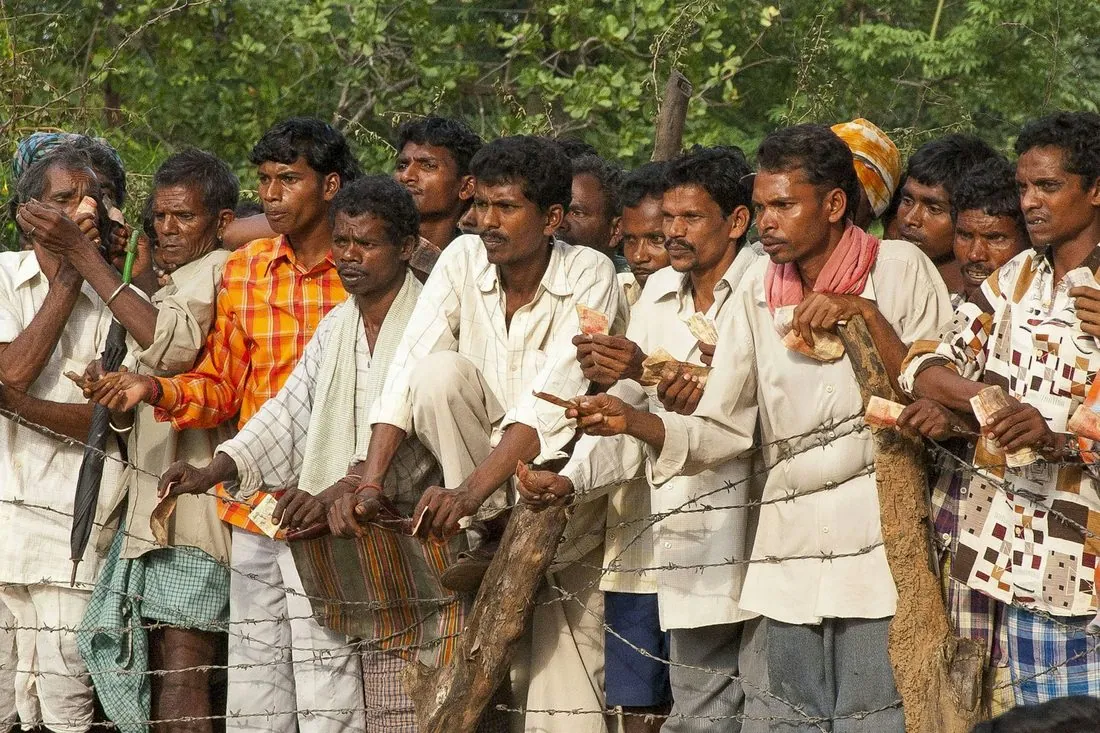
When we sat with health workers across 16 districts, the pattern was consistent: tools that saved time in the first week survived; tools that promised better data later did not.
If the health worker gets nothing back from the app today, the programme gets nothing from her tomorrow.
What lasts
- Offline first, because the network is worst exactly where care is most needed.
- Fewer taps than paper, measured with a stopwatch, not assumed.
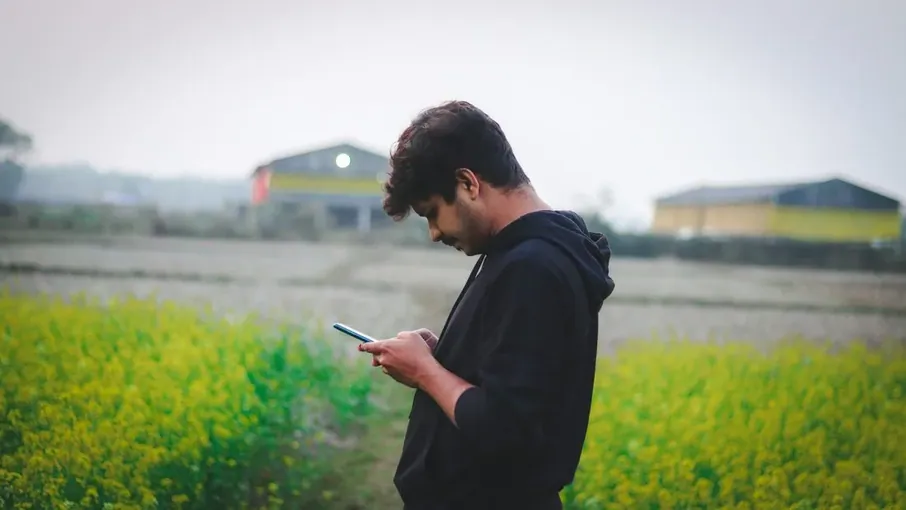
- A reason to open it: a due-list, a reminder, a patient she would otherwise forget.
- Supervisors who use the same data, so the worker is not asked twice.
Health software lasts when it is built around the visit, not around the report.