











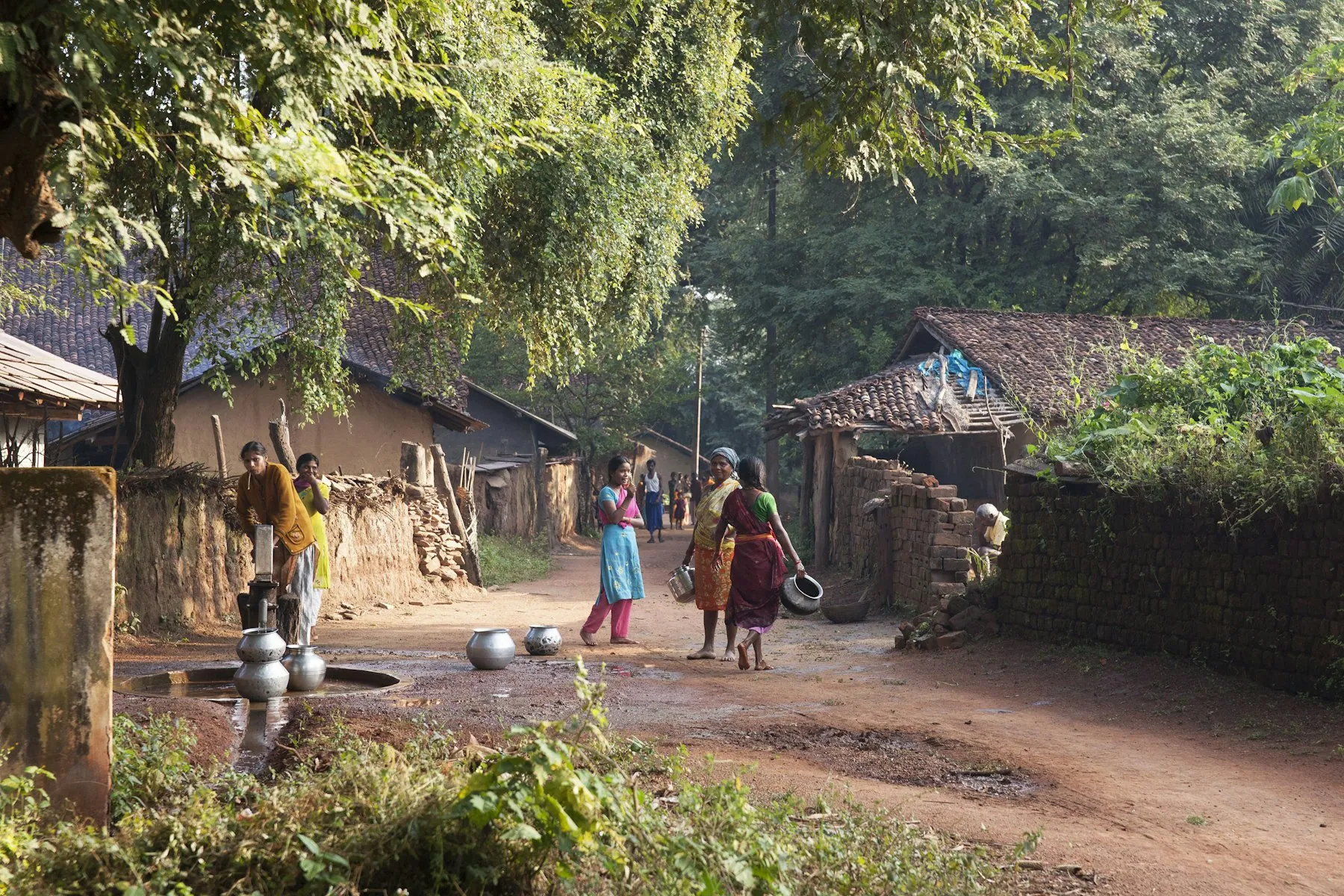
Youth Impact
Tracking a youth livelihoods cohort over time, in populations that migrate for work.

Context
Youth Impact runs a livelihoods programme across 12 districts, mobilising young people into training and then into work. The programme's promise rests on being able to say what happened to them afterwards, which is where most programmes of this kind quietly lose the thread.
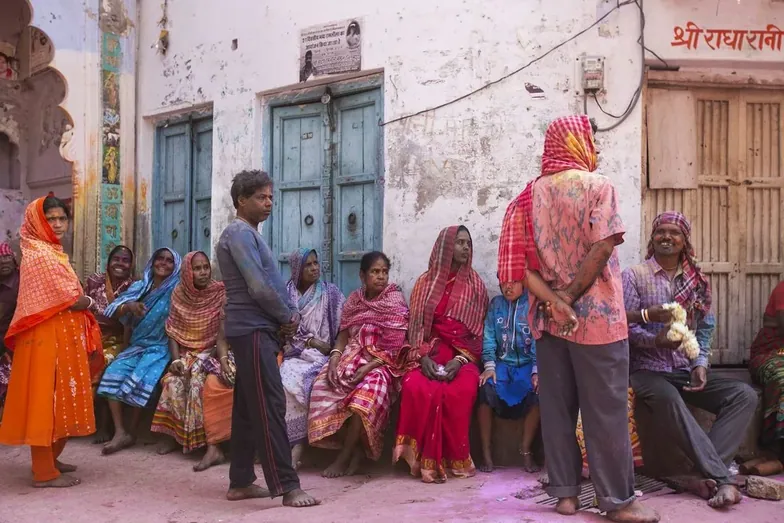
The cohort we worked with was about 18,500 young people, most between 18 and 24, many from households where seasonal migration is normal rather than exceptional.
The constraint
Standard monitoring loses 30 to 40% of a cohort by month twelve. The part that disappears is not random. It is the most mobile, often the most vulnerable, and frequently the group whose outcomes the programme most needs to understand.
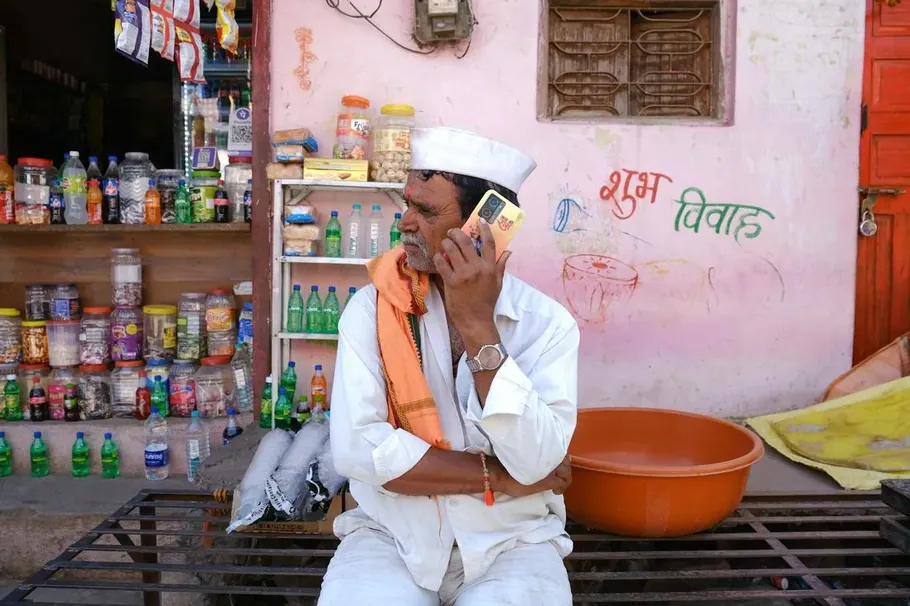
The usual causes are practical rather than mysterious. Phone numbers change when a SIM is swapped for a cheaper plan. Follow-up calls land during the working day, from an unknown number, and go unanswered. Survey rounds are scheduled against the reporting calendar, which in practice means calling a village in the month everyone has left it for harvest work.
The effect is a dataset that gets rosier as it gets smaller, because the people who stayed reachable are the ones whose lives were already the most settled.
What we changed
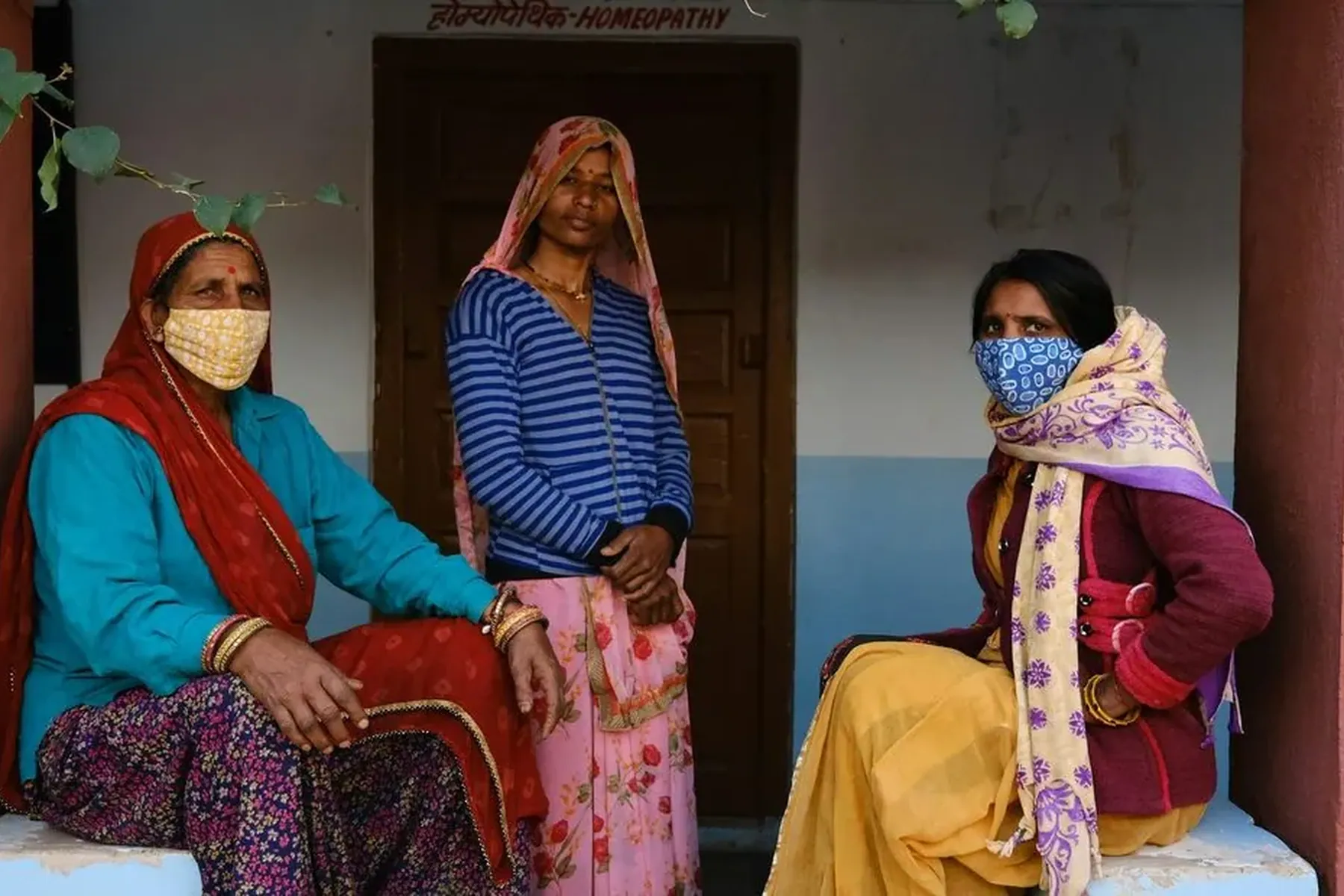
- A mobiliser cadre recruited from within the community. Not enumerators sent in for a round, but people who live where the cohort lives, know the households and are still there in month twelve. They are the reason a changed number can be recovered in a day.
- A contact protocol built for migration. Two numbers and a WhatsApp identity per participant, plus a household contact who stays put, captured at enrolment rather than chased at endline.
- Follow-ups tuned to the agricultural and migration calendar, not to the reporting one. If a district empties in April, the round happens in March or June, and the reporting schedule bends to that rather than the other way round.
- Short rounds, asked well. A twelve-minute conversation that a young person will finish beats a forty-minute instrument they abandon, and an unfinished survey is a lost data point either way.
“The lost portion of a cohort is not random. It is the most mobile, and often the most vulnerable.”
What changed
- 18,500 young people mobilised across the 12 districts.
- 78% traced at twelve months, against a 60 to 70% norm for comparable programmes.
- 31% lower cost per tracked outcome, because a traced participant costs far less than a replacement sample and a round of chasing.
The retention figure counts a participant as traced if a real conversation happened, not if a phone rang. We separate the two deliberately, because the gap between them is where most reported retention rates live.
What it means for the next cohort
A cohort that stays findable is a cohort whose outcomes can be believed. The protocol now runs from month one, not as a rescue in month nine, and the cost of it is carried in the programme budget rather than in the evaluation line.
It also changed what the programme could say honestly. With most of the cohort still reachable, the results include the people who migrated for work, which is the group a livelihoods programme should be most curious about rather than least able to see.