







SBI Asha Scholarship
Verification and disbursement at national scale, where every false rejection is a student who doesn’t go to college.

Context
SBI Asha is a national scholarship. In the cycle we worked on, about 4,80,000 applications arrived from students across urban and rural India, each carrying documents that have to be checked before money moves: identity, admission, fee structure, income.
The arithmetic is unforgiving. At that volume, a verification process that takes three weeks per application and a small error rate still produces thousands of students waiting past their admission deadline, and hundreds rejected for reasons that were never true.
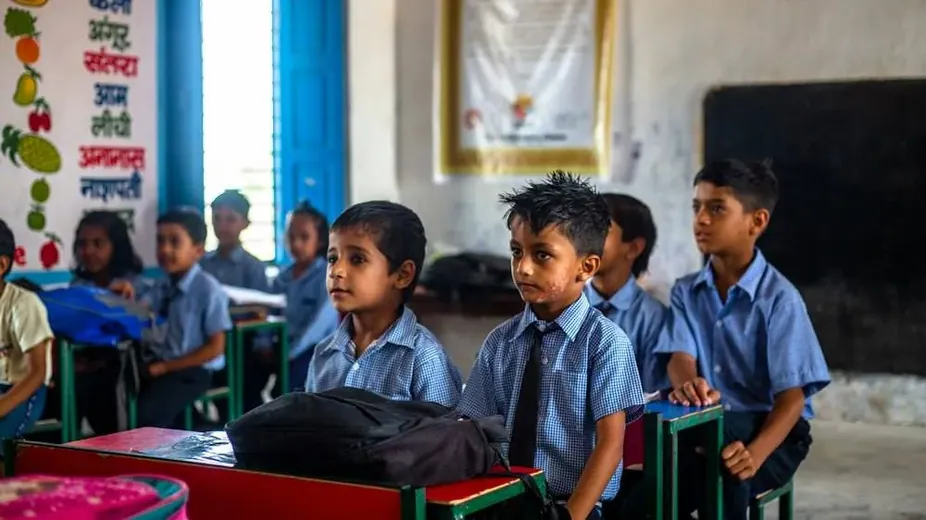
Before and after.
The constraint
Volume with integrity. Document verification at national scale invites two opposite failures at once, and most systems trade one for the other.
- Fraud, if checks are light. Fabricated fee receipts and inflated income certificates are not rare when the amounts matter.
- False rejection, if checks are heavy. A student whose college issues a handwritten receipt, or whose father's income certificate is on an old format, is not a fraud. They are the applicant the programme exists for.
The cost of those two errors is not symmetric. A fraudulent approval costs the programme a scholarship. A false rejection costs a student a year, and usually more, because the college seat does not wait.
What we changed
We stopped treating every application as equally suspicious, and moved the effort to where the risk actually was.
- A tiered workflow. Most applications clear on documents alone. A field check is triggered only by a risk flag, which is where the expensive human hours now go.
- Flagging built on anomalies, not on profile. Flags come from the documents and the application themselves: mismatched dates, receipts that repeat across unrelated applicants, income figures inconsistent with other declarations, submissions from the same device at improbable volume. Flags are deliberately not tied to region, school type or language, because those proxies punish exactly the students the programme wants.
- A distributed field cadre across 22 states, so a flagged case is visited by someone local, in the applicant's language, within days rather than weeks.
- A second look before any rejection. No application is rejected on a single reviewer's call. Rejections carry a reason, and the reason is written to be read by the student.

“Every false rejection is a student who does not go to college.”